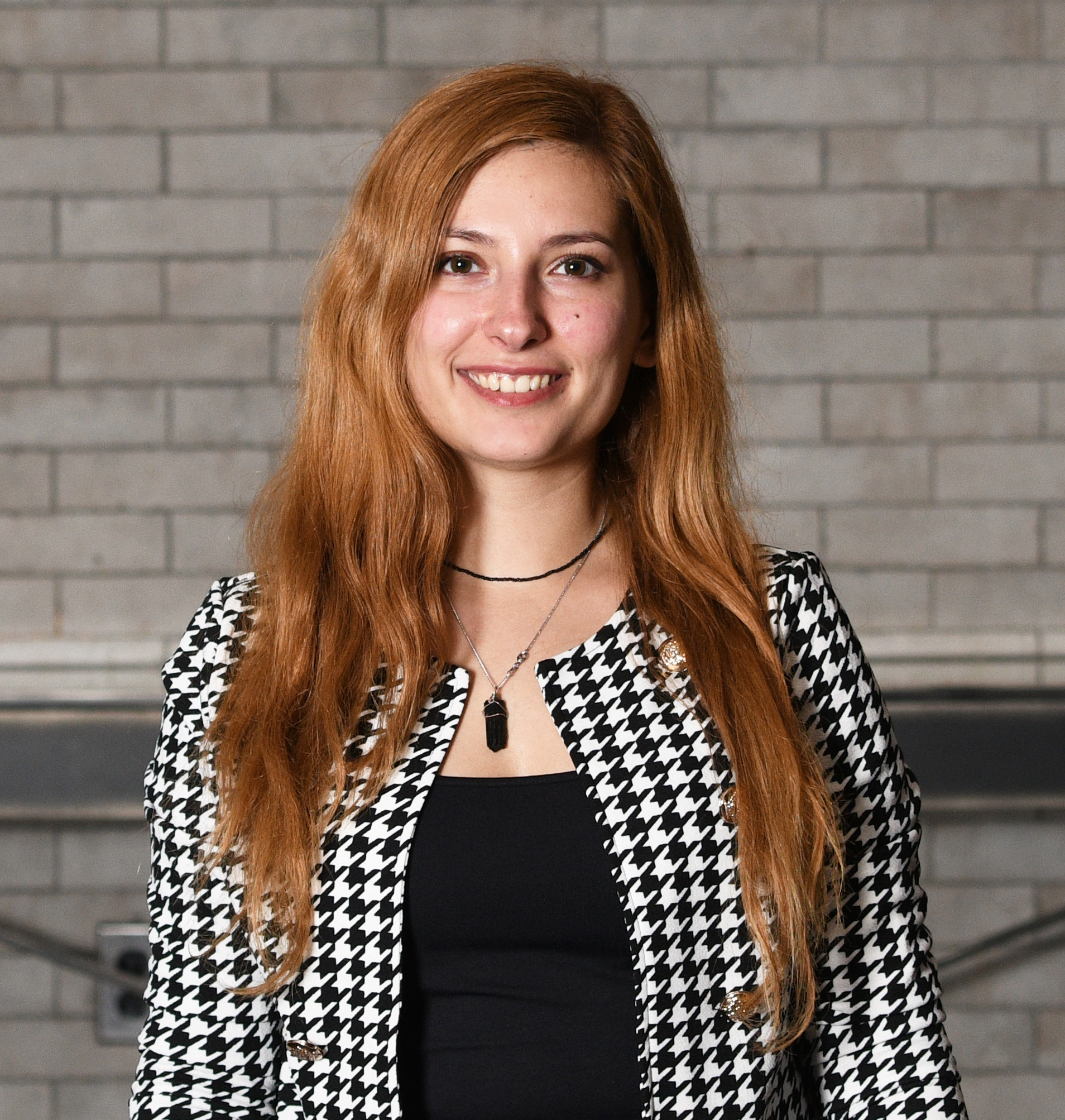
On June 4, Dennis Findley, AIA, was elected Chair of the Virginia Board of People with Disabilities, the state’s largest board. The Board advises the General Assembly and the Governor on disability matters to ensure disabled Virginians enjoy “A Life Like Yours.” As the parent of a disabled son, Dennis has been appointed by four successive governors to the Disability Board since 2009. He is a passionate advocate in the General Assembly, leading a six-year effort culminating in 2024 legislation that allows disabled Virginians to retain meaningful life jobs and essential services after a parent’s death.
Dennis Findley, AIA, is the President of Studio Findley Design in McLean, Virginia. He holds architecture degrees from Auburn University and Harvard University and has served a diverse clientele over his 40+ year career. His civic involvement is extensive; he represents the McLean Chamber of Commerce on the McLean Planning Committee as a Director and recently chaired the committee’s advisory role in drafting new streetscape urban design guidelines for McLean. Additionally, he serves on the Advisory Board for the McLean Project for the Arts and has been a member of the Heritage and Architectural Review Boards for the town of Herndon, Virginia. Elected to the McLean Community Center Governing Board in 2013, Dennis was also a candidate for the U.S. House of Representatives in 2010.
Hopefully, many of you are settling into your summer internships, working through your onboarding activities, and getting to know your teams. If this is your first summer working for an architecture firm, congratulations! This is an excellent time to establish your NCARB record and start documenting your work experience. If you’re not working for a firm, don’t worry, there may be a way for you to record your experience too.
While it can be a daunting task, the AXP (Architectural Experience Program) is an essential step on your licensure path. The objective of the AXP is to ensure candidates get diverse experience that will prepare them for practice after they become licensed. In fact, most US jurisdictions require candidates to complete the AXP before they can earn their initial licensure. If you’re just getting started, there are a few key things to keep in mind about the process.
Start as soon as possible. With 3,740 total hours to report and 96 tasks split among 6 experience areas, there’s a lot to cover. If you worked 40 hours a week full-time, it would take almost two years to complete the minimum requirement, and some jurisdictions require additional documentation or reporting. Even though you can report AXP and sit for your AREs concurrently, completing the AXP is required to earn your initial license.
Find your supervisor. Your supervisor in the office could be anyone, but your AXP supervisor must be a licensed architect. Ideally, your AXP supervisor is someone you talk with regularly, and who has a good idea of what you’re working on day-to-day. All the hours you report for AXP must be approved by your AXP supervisor, so it’s important to have a good relationship with that person. Always ask the person you have in mind before sending them an experience report! Starting off right and maintaining a connection with them will also come in handy as you start completing some experience areas and need to shift focus to complete others.
Ask for and be open to diverse experiences. Once you dive into the experience areas and tasks, you’ll start to understand the breadth of information the AXP wants you to complete and understand. On the surface, it might seem like you can get general experience aligned with each phase of a project, but the 96 tasks that are part of each experience area are actually closely aligned with the content you’ll see on the ARE. Skipping tasks or being too broad may set you up for frustration as you start to prepare for your exams.
Keep detailed notes. Candidates can choose to report hours weekly or in bulk, and it can be a lot to keep track of over 3,740 hours. To complicate things further, each firm approaches timesheets and hourly tracking differently. While you’re working through your AXP hours it’s a good idea to practice over-documentation. If there’s a section to add notes to your timesheet, list what activities you performed during the hours that you worked each day. If taking notes by hand is more your speed, take that approach instead. You’ll need that information later to align your hours to the tasks and experience areas, and your AXP supervisor may request it before they approve your report.
Don’t be afraid to ask questions! Every licensed architect you know had to start this process and work through its challenges, so you’re not the first and only candidate to ever struggle with AXP. NCARB provides and maintains AXP Guidelines for candidates and supervisors to reference. Reporting requirements have changed a few times over the years, so if your supervisor doesn’t know the answers, that’s a great opportunity to learn about it together, or to reach out to a Licensing Advisor for help.
Most of the above applies to candidates who are reporting hours under Setting A, which is work performed for an architecture firm under the supervision of a licensed architect. Some candidates may report hours under Setting O, which includes experience outside an architecture firm. This can include work for other licensed professionals (including engineers), construction work, design competitions, or community volunteering. While there are some restrictions on how many hours can be reported under Setting O, it’s a good way to get started on your AXP reporting, even if you don’t land a job at a firm.
Transferred In Diego Diez de Medina, AIA (Northern Virginia) from AIA Florida Aaron Sheffield, Assoc. AIA (Northern Virginia) from AIA Texas Society of Architects Julia Katherine Stokien Hunter, AIA (Northern Virginia) from AIA Pennsylvania
New/Renewed Allied Members Justin Trent, Design Director, Lynch Mykins Structural Engineers, PC Patrick Dyer, Vice President, Gulf Seaboard General Contractors Inc Stephan (Hobie) Andrews, Partner, O’Hagan Meyer PLLC
There is “good trouble”, and there is also “good tired”.
Good tired is how I felt right after AIA24. Like all substantial events, I enjoyed both the content and the connections. I enjoyed the stimulus of the sessions and the keynotes. I enjoyed the technology and the innovation of the expo. I enjoyed a great number of social events – including the tremendously pleasant AIA Virginia reception at VMDO|DC (Thank you to VMDO for hosting us and to all of you who made it out). And I enjoyed the journeys between those intentional destinations, which were pleasantly punctuated by opportunistic encounters with friends, fellow members, and former colleagues, classmates, and students. (I’ve enjoyed how the lines between those categories have blurred over the years.)
The fatigue has subsided – or at least it is now attributable to other causes. Satisfaction and gratitude remain. There are a lot of great people in our organization. My confidence in our colleagues and our members has been refreshed. There are challenges to be faced. (We even recognize some of them.) But I am convinced that we will overcome those challenges – together; and I know that there is, and will continue to be, much to celebrate along the way.
We are left to look forward to Boston. And I hope to see you several times in and around our own Commonwealth between now and then.
We understand the dedication and effort required to study for and pass the ARE. Congratulations to the following member for passing their exams and gaining licensure. This is great news that thrills all of us and we are so proud to call you an architect!
Sarah Brummett, AIA (Northern Virginia)
Have you recently passed the ARE? Upgrade your membership to Architect using this AIA form. or send an email to your Member Services Director, Cathy Guske, cguske@aiava.org
Are you ready to get licensed? AIA Virginia has discounted 60-day Amber Book subscriptions. Read more about it here>>
Have questions about licensure? Contact AIA Virginia’s State Licensing Advisor, Gina Robinson, AIA, at gina.robinson@hdrinc.com
Solex Architecture is seeking an Architect/Project Manager responsible for technical drawing production and document coordination. This individual must be well organized and understand the details involved in building assemblies. The Architect/Project Manager will be required to set and meet timelines involved with production milestones while receiving minimal supervision. The Architect/Project Manager will coordinate project information with the architecture/engineering team, the clients and the contractors. This individual must have a thorough understanding of the processes involved in design projects from concept through construction.
Responsibilities:
Establish tasks and scheduling to comply with the project work plan.
Develop detailed technical drawings and specifications.
Manage the development of construction documents.
Mentor entry level staff.
Perform required code analysis to ensure compliance with industry standards and regulations.
Serve an integral role in the conceptual design on assigned projects.
Prepare and coordinate specifications for building materials and product slections using CSI formatting.
Coordinate with project engineering and design consultants.
Monitor scope, time and budget.
Conduct regular job progress meetings during construction.
Participate in business development proposals, presentations, and meetings as required.
Qualifications:
Bachelor’s degree in Architecture from an accredited college or university required.
A minimum of 7-10 years of comprehensive relevant design experience.
Demonstrate thorough knowledge of design, construction, codes, specifications, and drawing composition.
Advanced proficiency in Autodesk Revit, AutoCAD, Photoshop, other rendering programs, and Microsoft Office.
Excellent communication skills, both verbal and written.
VMDO is seeking a creative and energetic project manager to work with our Higher Education team. This candidate will lead large projects for college and university clients. Demonstrated experience managing complex projects with sophisticated clients is critical. This role is based in our Charlottesville, Virginia office, and will work directly with project teams and Higher Education market leaders.
Responsibilities:
Manages large projects for Higher Education clients. Residence Life / Student Housing projects is preferred but not mandatory.
Prepares framework for project success
Coordinates project efforts, administrative and technical, to ensure the most efficient and cost-effective execution of assigned projects
Serves as the primary client liaison to bring the schedule, budgets, and scope of work to completion and to the client’s satisfaction
Actively manages client budgets, schedules, and programs; project communications and documentation; office administrative tasks; and project team assignments
Qualifications:
Undergraduate or Graduate degree from a NAAB-accredited Architecture program
8+ years of professional experience in the field of architecture
Architectural license required, LEED AP and/or another high-performance credential required
Skills and Qualities:
Excellent communication skills with a variety of project stakeholders
Demonstrated ability to handle sophisticated client relationships.
Ability to develop and mentor junior staff in a collaborative environment.
Interest in sustainable design practices.
Enthusiasm for continued growth, especially in business development. Interest in the residence life sector preferred.
Familiarity with project management software such as Microsoft Project is a plus.
Experience managing teams working in Revit.
Physical Requirements:
Ability to visit and traverse construction sites, which may include uneven terrain and overnight travel.
From the President’s Desk Happy May! As the blossoms yield to breezes and the forest canopy emerges, first fruits appear on the vines, and fish abound in rivers and the bay, I’m grateful for the cycles, seasons, and abundance of our Virginia mountains, valleys, and coastal areas. More>>
Virtual Meetings of the Roundtables Meet with your colleagues and share your thoughts on the issues of today. Free. Registration required. 1.5 LUs pending. Join us June 13th for the Firm Size Roundtables Register>> and June 27th for the Career Stage Roundtables Register>>
Design Forum Reflections The places we gather shape us. Just over a month ago, over two hundred of us grabbed our fancier clothes, empty notebooks, and perhaps a design-y friend or two and raced to Richmond’s Institute for Contemporary Art (ICA) for AIA Virginia’s bi-annual Design Forum. More>>
PAC Award Competition Launches for 2024 The AIA Virginia PAC is one of the sharpest tools in our advocacy toolkit. The AIA Virginia PAC Award celebrates the engagement and commitment of a local AIA component that supports the advancement and mission of the PAC. Make your donation today and your chapter could win $1,000! More>>
Meet the 2024 ELA Class We asked members of the ELA class of 2024 the same five questions. Get to know them better by seeing their inspiring answers. More>>
Design Awards Jury Chair AIA Virginia is pleased to announce that Mark Cavagnero, FAIA, Principal and Design Leader at Mark Cavagnero Associates Architects in San Francisco, California will chair the 2024 AIA Virginia Design Awards Jury. More>>
The COTE Corner VA COTE is amplifying resources and sharing the great sustainable work by AIA Virginia members. More>>
Meet the 2024 Honors Committee Remember to nominate your colleagues, organizations, firms, and projects for an award in AIA Virginia’s 2024 Honors Awards program. More>>
Knowledge Community Grants AIA Virginia is awarding one, $1,000 grant to a knowledge community making an impact throughout the Commonwealth. Apply before May 31, 2024. More>>
Welcome These New Members We are always excited to welcome new members to Virginia. The following members recently joined AIA Virginia. More>>
From the Small Firm Exchange Read the latest All Call Summary from the AIA Small Firm Exchange. More>>
The 2024 Women’s Leadership Summit Call for Proposals is Open AIA invites you to submit a proposal for a WLS session, hosted this year in Chicago, October 8–10. This year’s theme explores building resilience and how the lens of intersectionality can help us uncover the skills needed for impactful change. The Call for Proposals opens May 6 and closes June 14. More>>
Amber Book Are you ready to get licensed? AIA Virginia offers associate members a 60-day subscription to the Amber Book for only $99. More>>
AIA Virginia’s award-winning Emerging Leaders in Architecture (ELA) program was developed in 2009 to jump-start the careers of young professionals. Conceived of and lead by a passionate steering committee of successful architects (ALL past ELA alumni!), the program was designed to share the things they wished they had learned in architecture school.
Each of the seven day-long sessions focuses on developing essential skills like community engagement, collaboration, firm creation, financial management, advocacy, public service, and much more. The remaining monthly sessions are dedicated to their class project from a region around the commonwealth.
Want to be a member of this elite group of leaders? The application for the 2025 class will be available in August. Contact Cathy Guske for information on how to nominate an emerging leader or with any questions about the program.
We asked members of the ELA class of 2024 the same five questions. Get to know them better by seeing their inspiring answers.
KJ Ammon, Assoc. AIA
What building evoked a strong reaction from you recently—either positive or negative? Growing up in New England, I’ve had a lot of exposure to the Boston City Hall, and I have disliked it since a young age. The building is an example of 1960s brutalist architecture which comes off as overbearing and aggressive due to its concrete material, large cantilevers, and lack of nature within the plaza.
What is the last book you read? The Guest List by Lucy Foley
How did you discover your passion for architecture? I’ve been interested in architecture from a young age. What started as an obsession with HGTV has turned into spending my days creating and designing. I love to build with my hands and explore how objects and the built environment impact our lives every day.
What is your favorite thing to do to relax? My favorite activity to relax is to get outside and read a good book.
What advice do you have for aspiring architects? My advice to any designer is to lean into your passions, the field of architecture can require long hours and lots of work so it’s important to remember the aspects that inspired you to become a designer in the first place.
Philip Baxter, Assoc. AIA
What building evoked a strong reaction from you recently—either positive or negative? What evoked a very strong reaction from me recently was the April ELA session regarding Community Engagement. Bruce Wardell’s story and his three-year journey of building trust and shifting the power in the hands of the residents of Southwood. It changed the way I viewed how impactful community engagement could be.
What is the last book you read? Missing Middle Housing by Daniel Parolek
How did you discover your passion for architecture? I rediscovered my passion for architecture in the ELA program by being exposed to so many different pieces of architecture and truly redefined what architecture could be to me.
What is your favorite thing to do to relax? My favorite thing to relax is a good story.
What advice do you have for aspiring architects? As architects we’re charged with health, safety, and welfare in city planning, so, people first always. Always give back. Architecture is a form of activism and education.
Zack Britton, Assoc. AIA
What building evoked a strong reaction from you recently—either positive or negative? I have long had a fascination with the role an architect can play into the design of a cemetery. This led me to revisit the Belvedere Gardens Mausoleum In Salem a few years back. I love the interplay between the site and the structure.
What is the last book you read? The Soul of a Tree by George Nakashima
How did you discover your passion for architecture? In a way, it was something that was passed down from my dad. He studied architecture in college so from a young age I was introduced to books of Frank Lloyd Wright’s work, drafting tables, and construction sites (in a OSHA approved manner). When it came time to start considering career paths the decision felt like an easy one.
What is your favorite thing to do to relax? I can easily spend hours woodworking just testing different techniques and joinery.
What advice do you have for aspiring architects? Sometimes this job gets overwhelming. Do not allow yourself to be paralyzed from the fear of making mistakes. Just keep trying to learn and progress.
Danielle Corbin, Assoc. AIA
What building evoked a strong reaction from you recently—either positive or negative? When I visited La Basílica de la Sagrada Familia in Barcelona, I knew that no building had ever evoked such a strong emotional response within me. The use of light, sculpture and color were overwhelming, whether you are present during the cool greens and blues of the morning or the fiery oranges and reds of the evening, representing the passion of Christ. I visited with my mother, who had seen the Basilica before there was an interior. We hope to return once it is finally complete after over 150 years of construction.
What is the last book you read? I just finished reading The Forest of Vanishing Stars, a historical fiction about the Jews who escaped to the forest as a refuge from the Holocaust. I love the genre of historical fiction because it gives us empathy for those who lived through the horrors of the past, and reminds us so we do not repeat history.
How did you discover your passion for architecture? I discovered my passion for architecture through my love of drawing, painting and fine art. I chose to attend the University of Notre Dame School of Architecture because of their classical approach and focus on hand-drawing and hand drafting. I spent a summer of my undergraduate studies in Rome plein-air sketching and watercoloring, a practice that I continue to this day.
What is your favorite thing to do to relax? This may sound counter-intuitive, but my favorite thing to do to relax is to go on a run, preferably on the beach. Running is what allows me to de-stress and refocus, and it gives me an overwhelming sense of peace.
What advice do you have for aspiring architects? My advice for aspiring architects is to take advantage of the resources available to learn during your architectural education. During my undergraduate experience, I went to Europe four separate times through grants both within and outside the University. My travels to Scotland, Italy, Spain and London were eye-opening and formed the way I view the world as an aspiring architect. Never underestimate the time and energy that the most accomplished professionals will give to students who desire to learn. The incredible people that I met during my travels were so generous with their time; all I had to do was ask.
Miguel Gereda, Assoc. AIA
What building evoked a strong reaction from you recently—either positive or negative? I was reading a magazine recently and saw imagery of Studio Gang’s Populus Hotel in Denver, CO. The window details and facade have a bone like appearance. It’s a very provocative building, but I am intrigued by how it comes together.
What is the last book you read? Four Agreements by Don Miguel Ruiz
How did you discover your passion for architecture? From a very young age, I got obsessed with looking at building plans that I would see in free home books in the grocery store. One day I asked my grandmother, who are the people that draw those? The rest is history.
What is your favorite thing to do to relax? Be outside! Hiking, walking, or just enjoying the sun–whatever it is this brings me tranquility.
What advice do you have for aspiring architects? Push yourself to ask more questions and remember that you will make mistakes–just learn from them!
Noor Hadi, Assoc. AIA
What building evoked a strong reaction from you recently—either positive or negative? Recently, I had to the opportunity to travel to Peshawar, Pakistan where my ancestral roots lie. I visited this beautiful cemetery where my Nani and Nano (grandmothers) are buried. The location of the cemetery is along a busy road, however once inside the area, the noise of the city evaporates. The terraced landscape, granite-stoned graves, orchard-like greenery, and small mausoleums throughout the cemetery nodded the Mughal and Islamic architecture. Walking through this space, I appreciated how it could hold space for loss and grief, as well as serenity, history, and memories.
What is the last book you read? Family Tree by Sairish Hussain
How did you discover your passion for architecture? Growing up always like to design and make things with my hands from chairs to longboards, but I could never put a name to my curiosity. The summer before my first year as an undeclared major, I enrolled in a few architecture classes to acclimate how life on campus would be . Taking those classes and being in an environment of the technical and creative, empowered me to pursue this field.
What is your favorite thing to do to relax? Sitting outside and drinking a hot cup of chai, listening to nature.
What advice do you have for aspiring architects? “You’ll never find reasonable people on the top of a mountain” – Jim Basset. Be curious, ask questions and, be open to talk to different people from other disciplines. There isn’t a “right” way to do architecture, the best a person can do is keep learning and use that knowledge to propel them forward in whatever way they would like.
Ananth Jayaraj (AJ), Assoc. AIA
What building evoked a strong reaction from you recently—either positive or negative? The Vessel at Hudson Yards hasn’t left my mind, it feels like a tenuous step in contemporary architectural practice. Perhaps we may be returning to our tradition as a species in building monuments which bring a sense of grandeur, a physical presence that defies our impermanence and daily cynicisms. On the other hand, the stairs that show how far the city has come does not allow all its denizens access to its greatest heights, but it’s a sad for me to think that we wont see another “great pyramid of Giza” built in our lifetimes. The view from said heights are great, but to be the last is a disturbing thought. It seems “Vessel” will continue to embody these thoughts, as great works do.
What is the last book you read? Color and Light by James Gurney (A treasure for understanding, well, color and light!)
How did you discover your passion for architecture? Coming from Dubai does tinge my answer with the flavor of an inescapable destiny, being surrounded by skyscrapers and such, but realizing how the spaces that surround us shape who we were, are and will be was the beginning of this wonderful journey.
What is your favorite thing to do to relax? I’ve always loved to sketch, it serves as a visual diary to me.
What advice do you have for aspiring architects? Explore your passions and remember what you like. My favorite experiences in this discipline weren’t when I played to win, but when I played for the love of the game. I hope you share my sentiment!
Tony Lin, Assoc. AIA
What building evoked a strong reaction from you recently—either positive or negative? Glenstone, in Maryland. One of the most tranquil experiences that so finely integrates nature with art.
What is the last book you read? Rick Rubin’s The Creative Act: A Way of Being
How did you discover your passion for architecture? A big influence on me was my older brother, who is an architect and professor. Early on in my life, he told me that architecture was the study of the human condition. I kept his words in mind, and it has helped me to see architecture as artifacts shaped by our communities, cultures, and environments. Furthermore, architecture has been a gateway to seeing “design” as something that is so intrinsically connected to everything else.
What is your favorite thing to do to relax? Listening to music and going for walks at sunset.
What advice do you have for aspiring architects? Open your mind, take inspiration from everything, and the path is made by walking.
Brynn McClatchy, AIAS
What building evoked a strong reaction from you recently—either positive or negative? I just returned from a semester abroad in Europe and often reflect on my experience in the Sala Beckett Theater by Flores & Prats in Barcelona! The work done by the firm was a conversation with the memories and past uses of the building, a collection of its history. I left with a greater appreciation of architecture as a conversation between a building’s past, present, and future, but also a conversation between a building and the individual observations made by all who experience it.
What is the last book you read? After visiting the Sala Beckett theater I mentioned above, I just finished Archives-Universum 01 on Flores & Prats.
How did you discover your passion for architecture? I discovered my passion for architecture once I got to college, but my passion for design started back in fourth grade. I decided then that I wanted to become a set designer, and when choosing a major for college, I found that architecture allowed me to explore storytelling and crafting experiences in the same way. Currently, my passion is also driven by my love for model making, hand drawing, and the traveling I have done while at the School of Architecture at Virginia Tech.
What is your favorite thing to do to relax? Cooking! I enjoy the process from planning to shopping to making to eating to cleaning up.
What advice do you have for aspiring architects? Your precedents are your best friends. Study them, learn from them, implement them, and don’t forget them!
Shukrullo Mirvaydullaev, Assoc. AIA
What building evoked a strong reaction from you recently—either positive or negative? Well, many amazing buildings have been created in the past or recently around the world. However, I think architecture is not just about buildings; it is about creating interesting spaces within a limited budget and enhancing the quality of the environment. Nevertheless, all buildings and spaces evoke reactions and influence people, especially architects. The list of buildings that come to my mind is below and, in my opinion, they are very impressive and have a positive impact on the urban environment. For instance; Cultural Center Eemhuis by Neutelings Riedijk Architects in Amersfoort, Netherlands The National Aquarium in Baltimore by Peter Chermayeff Library Delft University of Technology by Mecanoo in Delft, Netherlands Little Island in NYC by Thomas Heatherwick Studio High-Line Park in NYC by Diller Scofidio + Renfro Midtown Center in Washington DC by SHoP Architects The John F. Kennedy Center for the Performing Arts in Washington, D.C. by Edward Durell Stone and the three-pavilion expansion to the center by Steven Holl Architects FDR Memorial Park in Washington DC by landscape architect Lawrence Halprin.
What is the last book you read? I’m reading the Vernacular Architecture of Northern Tajikistan by V.L. Voronina. For me, it is very interesting to rethink the vernacular architecture into the modern aspects or contexts.
How did you discover your passion for architecture? I discovered my passion for architecture during my time at Art College in Tajikistan. We had a project to “create an entrance to the college,” which profoundly changed my life. Working on that project, I realized my deep interest in designing spaces and structures. I knew then, at the age of 16, that I wanted to pursue a career in architecture. Since that day, I’ve only looked forward.
What is your favorite thing to do to relax? Walking in nature, spending time with parents and family, reading architectural articles, being alone with my thoughts about architecture, and drawing my thoughts. These are some of the activities I enjoy.
What advice do you have for aspiring architects? Just trust yourself and hard work on it. Try to build connections. We all learn and make mistakes, I think it is okay.
Niki Pardakhti, Assoc. AIA
What building evoked a strong reaction from you recently—either positive or negative? I recently visited Robie House. There are a lot of things I like about Robie house, but what resonated with me the most is the architect’s attention to the design and construction details. Wright not only designed the building but also every furniture in the house, believing that “it is quite impossible to consider the building one thing and its furnishings another. … They are all mere structural details of its character and completeness.”. You can also see traces of Wright’s design in construction details. From the color of the mortars that is selected in a pattern to the roof drainage system that blends with the design of the house, are all testaments of the architect’s impeccable attention to detail.
What is the last book you read? Missing middle housing.
How did you discover your passion for architecture? An Architect’s ability to create a physical space initiating from a concept led me to this field. I was a biology major in college and had never thought about Architecture as my major until I visited a friend in Architecture school. I enjoyed the studio’s creative environment, and being a spatial thinker, seeing all the school projects my friends were working on was very exciting to me, so I decided to pursue an architecture degree.
What is your favorite thing to do to relax? Read, paint.
What advice do you have for aspiring architects? Work on your soft skills as well as technical skills. As you grow in your career, it becomes even more important to communicate and work effectively with your clients and teammates.
Amari Ross, AIAS
What building evoked a strong reaction from you recently—either positive or negative? Dscape Cafe in South Korea by DENOVA Architects. The building evoked a positive reaction with the placement of windows, openings, and even the wall color; it feels like a cafe I’d go to daydream.
What is the last book you read? Crescent City: House of Earth and Blood
How did you discover your passion for architecture? I always drew floor plans of my dream home when I was younger. I didn’t think of Architecture until I watched Netflix’s Most Extraordinary Homes which gave me a deeper understanding of the design process.
What is your favorite thing to do to relax? Throwing ceramics on a pottery wheel, reading, or gaming depending on the day.
What advice do you have for aspiring architects? It’s you vs you in your college career. Leave yourself room to grow and adapt within college while giving yourself grace. Reward yourself often and enjoy hobbies outside of architecture.
Emily Savoca, AIA
What building evoked a strong reaction from you recently—either positive or negative? Yad Vashem, Holocaust History Museum in Jerusalem. I don’t think I can adequately put into words how emotional and surreal of an experience it was to visit this place. I traveled with my husband (whose family is Jewish) and 30 other individuals, about half of whom are also Jewish; many with families who have personal connections to the Holocaust. By the time we arrived at Yad Vashem, we had spent over a week together with our tour guide, a native Israeli. Her first-hand stories and knowledge, combined with the exhibits and the museum’s architecture, made this more moving than any other Holocaust museum or site I’d been to before. There are moments of relief and light throughout the museum that attempt to break up the dark, tense, and challenging exhibits. Once you reach the museum’s end and you exit out onto the terrace, an open-air gallery looks out to the city and the building frames your view of a valley of trees.
What is the last book you read? I recently finished Michelle Obama’s Becoming I am currently reading Drawdown: The Most Comprehensive Plan Ever Proposed to Reverse Global Warming as part of my office sustainability council’s book club.
How did you discover your passion for architecture? For as long as I can remember, I’ve had strong interests in the arts and technical drawing. I was initially planning on going to college for engineering until my grandfather suggested I look into architecture. Even though he was not an architect himself, he had always had a passion for learning about buildings, architecture, and design. The more I researched the practice and profession, the more I felt it would be a good fit. I love how architecture is not only about the built environment, but also art, history, science, technical expertise, community, society, and so much more. I am also passionate about lifelong learning and love that, as an architect, I am able to learn something new every single day.
What is your favorite thing to do to relax? Yoga, traveling, or spending time outside and near the water. A combination of all three would be ideal!
What advice do you have for aspiring architects? First, give yourself plenty of time in the profession to discover what aspects of architecture you are truly passionate about. It is a diverse field with seemingly endless opportunities. Second, never be afraid to advocate for yourself; your wellbeing, the types of projects you want to work on, and what direction you want to take your career.
Irem Sezer, Assoc. AIA
What building evoked a strong reaction from you recently—either positive or negative? Central Control Building, Bilgin Architects… Recently, I came across comments and discussions regarding the solar power plant architectural design competition and, of course, the first-place winner, Bilgin Architects. Designing in the middle of nowhere is one of the most challenging situations an architect finds themselves in, but the team managed to create reciprocal dialogues between the earth-sky-ground zero trio and the identity of the building, its function, its oasis, and how it represents itself.
What is the last book you read? Forget Foucault by Jean Baudrillard
How did you discover your passion for architecture? After starting architecture school!
What is your favorite thing to do to relax? Anything connects me to the sea… Including road trips that lead to the sea!
What advice do you have for aspiring architects? Learning how to ask ‘good’ questions and having the ability to ‘question’ are much more important than they may seem!
Jessica Somgynari, AIA
What building evoked a strong reaction from you recently? The Bethlehem Steel Stacks in Bethlehem, Pennsylvania evoked both strong positive and negative reactions from me. I enjoy traveling to various industrial sites around the U.S. with my husband to learn more about the history of America’s workforce. I attempt to capture the energy that used to bring these places to life through sketching them. So many of these places that were essential to the rise of America as it is today are in the process of decay. It caused conflicting feelings in me to behold the towering blast furnaces as I read about the dangerous and often life-threatening processes workers encountered every day, encapsulating the metal behemoths in my art. It bothered me how this site was a hub of boisterous camaraderie, then one day in November 1995, the roaring furnaces went completely quiet, and for the last time, Bethlehem Steel workers filed through the plant, not knowing if they’d ever see their coworkers again. While it is a beautiful site, I was frustrated that the site does not seem to be actively preserved, and the docent was unfortunately unable to indicate if any efforts to “arrest decay” were in the works. Overall, I would return to this site, but I hope these buildings are preserved in a more meaningful way in the future.
What is the last book you read? The Faceless Old Woman Who Secretly Lives in Your Home by Joseph Fink and Jeffrey Cranor. If you are interested in the surreal, action-packed world of the Welcome to NightVale podcast, this book provides an insightful look into one of the most prevalent but underrated characters’ lives, and how she came to be the Faceless Old Woman Who Secretly Lives in Your Home. A swashbuckling adventure with love, betrayal, and revenge, this is a great novel if you like twists, because it is definitely NOT what you’d expect. Beautifully written – Joseph Fink and Jeffrey Cranor have built an incredible universe with NightVale.
How did you discover your passion for architecture? I loved art when I was in high school, and wanted to continue this throughout my career. Telling stories through the built environment is such an important aspect of architecture, and it is critical to me that harmony between humans and buildings exists. Well-designed buildings tend to take on the spirit of their inhabitants, and it is fascinating to see the humanity in our environments by how items we use every day are arranged. Whether it is stray papers on a desk, or a slightly skewed chair, placement matters, and buildings should help the people inhabiting them to thrive.
What is your favorite thing to do to relax? I love hanging out with my husband and three black cats, Night, Luna, and Abba. Aside from that, I relax by reading, dancing in between lifting weights at the gym, making art, hiking/ interacting with nature, and most of all, cooking. I enjoy creating both new and tried and true recipes to share with friends and family, as I believe good food helps bring people together. My favorite recipe is traditional spaghetti carbonara, which I learned to make when I was studying abroad in Rome during my fourth year at Penn State. What advice do you have for aspiring architects? Go to networking events and building tours, be engaged with your work and your community – find the balance so you can enjoy a full life. Maybe it’s an overstated cliché, but seriously: communication is key – learn how to say the same thing in multiple ways, and communicate on the level of your audience (expertise, understanding, etc.). Enjoy the process, keep growing, and ask questions – you can never know everything! Learn to be ok with that and ask for help. You’re good enough, you’re smart enough, and gosh darn it, people like you!