Over recent years, AIA Virginia has undertaken significant steps to improve member value while reducing organization expenses. In 2020, Supplemental Firm Dues were completely eliminated! This means there are no other dues obligations outside of individual membership dues.
You spoke loudly—the most important thing we at AIA Virginia do for you is advocacy. You expressed a desire for us to be more proactive on issues that elevate the importance of architects and good design. We heard you.
The AIA Virginia PAC supports legislators who understand our agenda and support our goals without regard to political party affiliation. By speaking with a unified voice, architects can influence legislation affecting our profession and the quality of life in our communities. For more information regarding the AIA Virginia PAC, please click here to read the FAQs.
How much of my 2022 dues payment will go to the AIA Virginia PAC? $5 for Associate AIA members $10 for Architect members $10 for International Associate members
If this investment is acceptable, no action is required on your part. If you wish to divert your 2022 PAC allocation to our general operating account, please let us know by going to https://www.aiava.org/2022-dues-pac-opt-out/.
If you have any questions, please contact Corey Clayborne, FAIA, NOMA, MBA at cclayborne@aiava.org. Thank you for believing in what we do.
We cannot have an influential voice without having relationships with our state legislators. As such, the PAC allows us the opportunity to build these necessary relationships through attending various fundraisers. Since May 15, the following individuals and firms proudly invested in our PAC:
Architecture AF Frazier Associates Hanbury KGD Architecture LeMay Erickson Willcox Architects PMA Architecture VIA Design Architects Ryan Alkire, AIA Colin Arnold, AIA Maggie Dunlap, Assoc. AIA Robert Easter, FAIA Mitch Rowland, AIA Maury Saunders, AIA Nick Serfass, FAIA Elisabeth Sloan, AIA Ed Weaver, AIA Lou Wolf, AIA
On January 13th, the Virginia General Assembly will gavel into the 2021 session during an unprecedented time. As Virginia grapples with the impacts of COVID-19, legislators convened for a 65-day regular session and 84-day special session last year resembling traits of a full-time legislature. And as COVID-19 continues to snatch lives, the Virginia Senate was not immune. Senator Ben Chafin (R-Lebanon) recently succumbed to his battle with the virus.
In odd-numbered years, the General Assembly convenes for a “short session” which is 30 days as prescribed by the Constitution. Since the Constitution was amended in 1971, both political parties have voted to extend “short sessions” to 46 days. This year, Republicans announced that they will not vote for the extension which requires two-thirds approval from both chambers. In response, the Governor has stated he will call a special session at the conclusion of the 30-day regular session to finish any necessary business.
What we know is that the House of Delegates will continue to meet virtually for all its meetings and the Senate will meet in person at the Science Museum of Virginia. This adds a sharp complexity to advocacy as impromptu meetings with legislators in the hallway and office visits to discuss issues are now eliminated. As a replacement, elbowing for Zoom meeting slots, texting, and emailing legislators will be the unfortunate norm this year as modes of communication. In conclusion, it will be paramount to make each “touch” with a legislator count and being judicious on how often we hit the “send” button on any email or text message.
Please note the following key dates of session:
January 13 – General Assembly session convenes
January 22 – Bill cut-off
February 9 – Bill crossover
February 27 – Sine die
April 7 – Reconvene session
AIA Virginia’s Legislative Priorities
This year, legislators will have tighter limits on the number of bills that can be submitted. Members of the House will be limited to seven bills while members of the Senate may submit 12 bills. This, combined with lawmakers meeting virtually and offsite, have led to a change in advocacy strategy this year. Due to these challenges, AIA Virginia will not file any bills this year. However, please be on the lookout for weekly General Assembly updates on the bills we are actively engaging and monitoring once session commences.
Instead, we will use this year to relentlessly focus on connecting legislators with their architect constituents – thus positioning you and our profession as a valuable resource to them. The result is that our elected officials will have a face to go with the terms “architect” and “architecture”. The AIA Virginia Advocacy Advisory Council is working on a virtual program to deploy in 2021 that will accomplish this goal. Stay tuned!
We tested this concept successfully on January 6 with Senator Ghazala Hashmi (D-Richmond). In conjunction with the American Council of Engineering Companies of Virginia, AIA Virginia held a one-hour industry roundtable discussion that covered the environment, infrastructure, schools, affordable housing, and energy. The result is that Sen. Hashmi recognizes AIA as a valuable asset on any of these topics.
Special thanks to the following roundtable participants who either live or work in Sen. Hashmi’s district:
Lori Garrett, FAIA: Senior Principal at Glave & Holmes Architects Stephen Halsey, AIA: Principal at Moseley Architects Burt Pinnock, FAIA: Chairman of the Board at Baskervill Jacob Sherry, AIA: Architect at 510 Architects
These individuals were joined by Advocacy Vice President, Kathy Galvin, AIA.
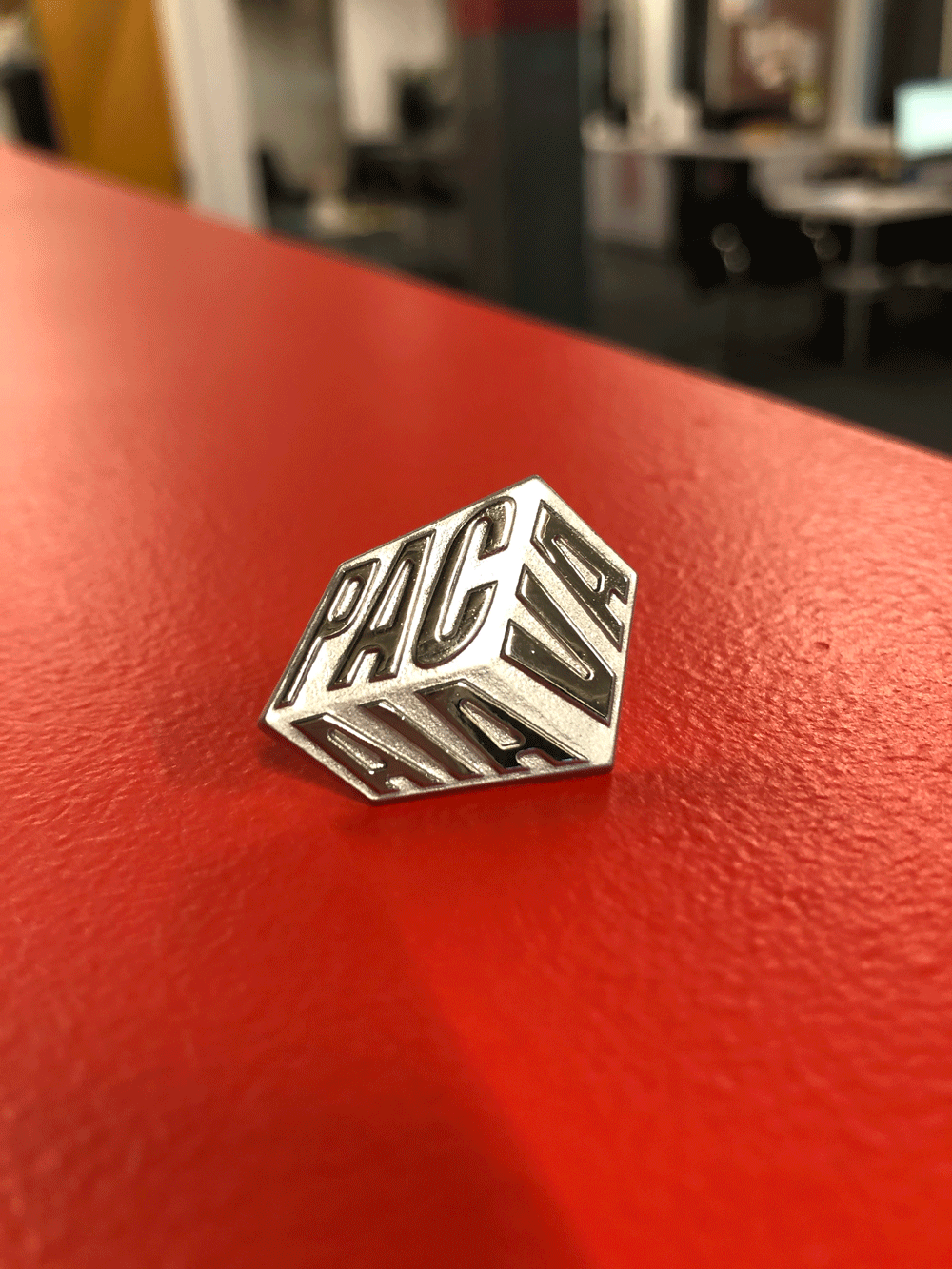
Last fall, AIA Virginia’s Government Advocacy Advisory Council and the PAC Board of Trustees engaged the membership in the creation of an updated PAC pin.
Historically, members who invest in AIA Virginia’s Political Action Committee (PAC) have received a lapel pin that can be worn to demonstrate his/her support of our legislative efforts. The existing pin had become dated as it used the organization’s past name of VSAIA (Virginia Society of the American Institute of Architects).
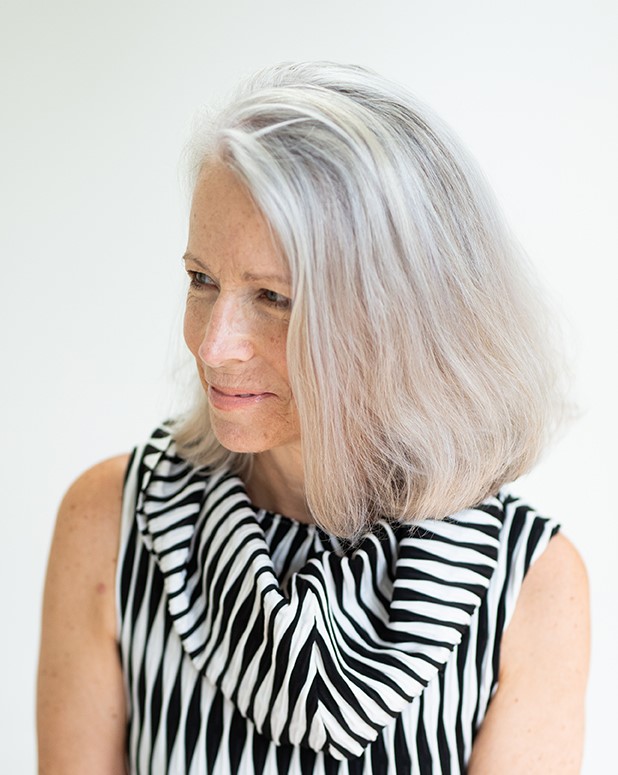
We were pleased to announce at Architecture Exchange East last November that Allison Ewing, AIA, LEED AP, Founder & Partner at Hays + Ewing Design Studio has won this design contest and her pin design is now ready to be worn by AIA Virginia members statewide who give to the AIA Virginia PAC.
Join these donors and support the candidates who understand the architecture profession and receive the new PAC pin.
About Allison As an architect and leader, Allison Ewing has advanced sustainability through design, implementation, and advocacy – both within and beyond the architectural profession — by modeling change in the building industry with solutions both visionary and practical. Working on commercial, institutional, residential, and mixed-use projects at both large- and small-scale, Allison Ewing’s architectural experience spans twenty-five years and three continents. Ms. Ewing’s work seeks transformation – of site, of workplace, of living environment. She pursues design excellence at all scales, from site to building to detail – an approach which encompasses meeting client’s goals while arriving at elegant solutions that embody sustainable best practices.
Prior to forming her own firm HEDS with partner Chris Hays, Ms. Ewing was Partner at William McDonough + Partners, and design associate at the Italian firm of Renzo Piano Building Workshop. Her work experience also includes the offices of Cesar Pelli & Associates and Mitchell Giurgola Architects.
Ms. Ewing has been a speaker at a number of national and international events related to sustainable design and her work has been published in EcoHome, USA Weekend, Dwell, Custom, and the Washington Post Home. She has received many design awards, including “Custom Home of the Year Award” from Custom Home Magazine. The Lewis & Clark Exploratory Center of Virginia received the top Virginia AIA award in 2018.
Ms. Ewing received her Masters in Architecture from Yale University Graduate School of Architecture. She was the recipient of a Monbusho Fellowship to Japan where she studied Japanese housing.
“Allison Ewing ranks high among the first-generation of architects leading our industry toward sustainability over the past 30 years, and her name, work, voice, and lasting influence in this crucial field stand alongside those of visionary peers like William McDonough, Ed Mazria, Bob Berkebile, and Mary Ann Lazarus.” – Rick Schwolksy, Senior Fellow, Architecture 2030
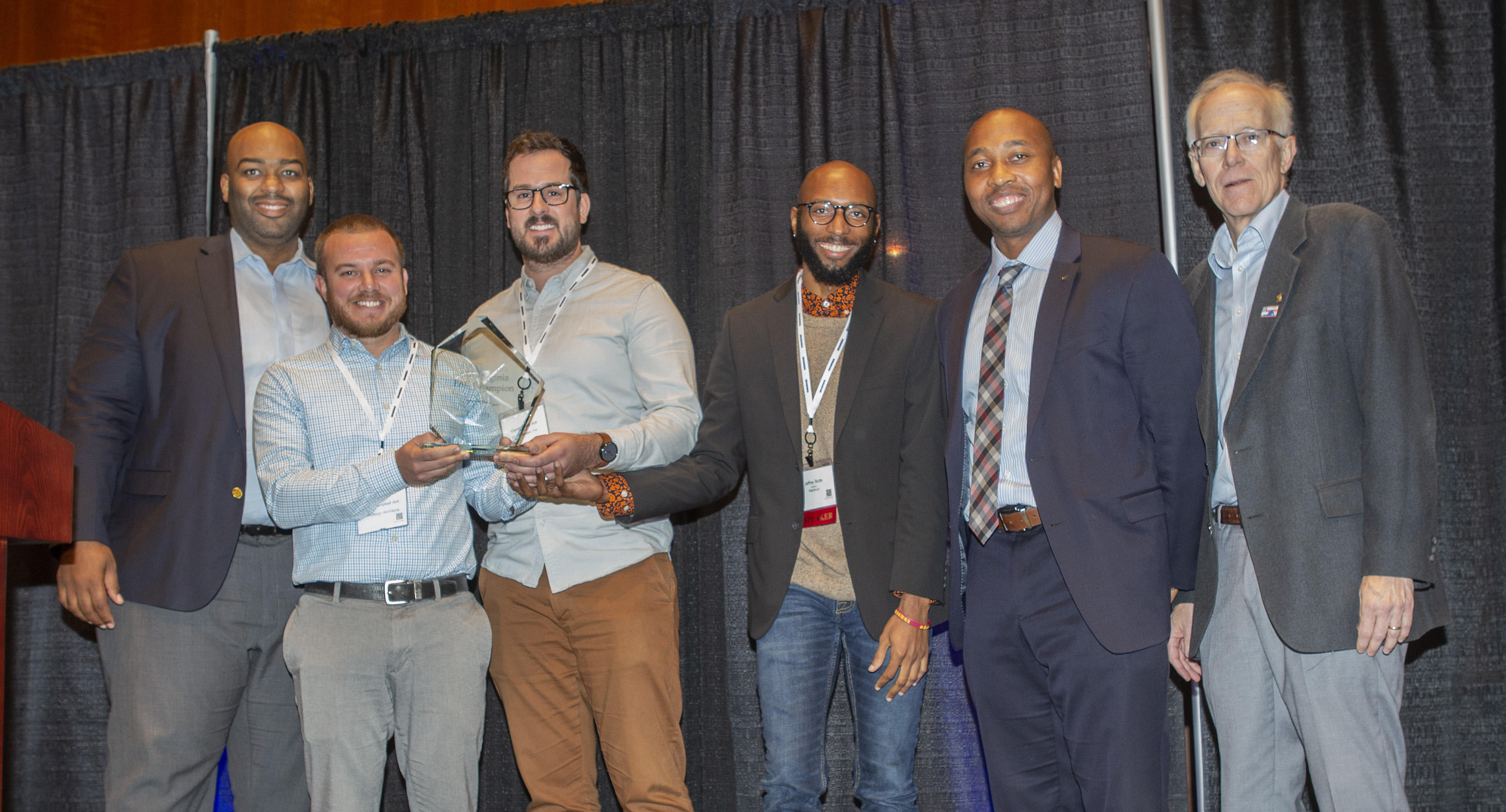
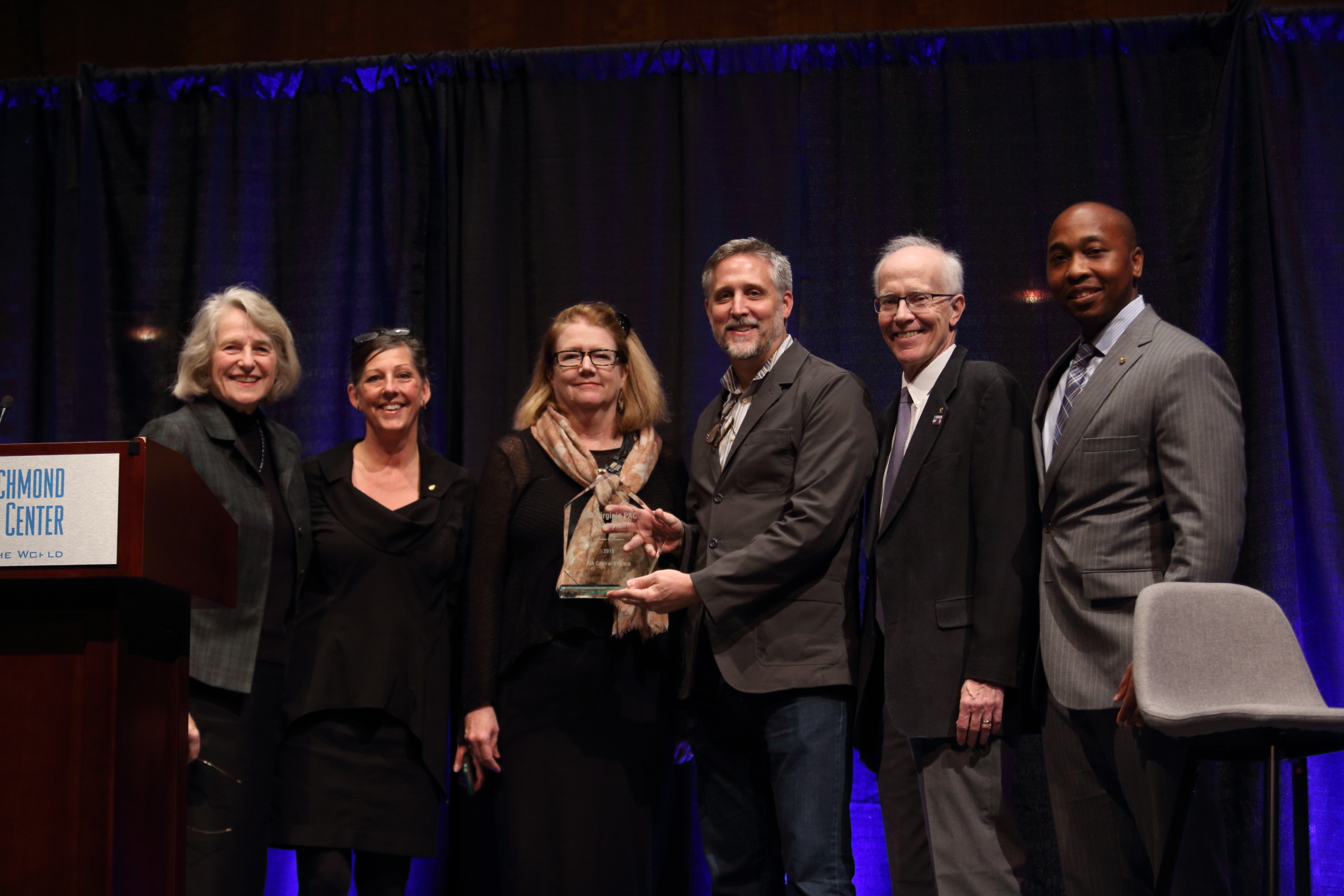
At Architecture Exchange East, AIA Hampton Roads was crowned the winner of the second annual “Rumble in the Jungle.” The trophy was presented during the conference’s General Session by Delegate Lamont Bagby who serves as the Chair of the Virginia Legislative Black Caucus. As the winner, AIA Hampton Roads will receive $1,000 from AIA Virginia for use during its 2020 Architecture Week to enhance its public outreach efforts.
AIA Hampton Roads had 100% investment participation from its Board of Directors, approximately 5% of its total membership invested [the 2017 statewide participation rate was roughly 2%], and the average contribution per member out of total component membership of 384 individuals was $15.99.
The AIA Virginia PAC Award looks to celebrate the engagement and commitment of a local AIA component who supports the advancement and mission of the PAC. The Award will be presented at Architecture Exchange East to the local component’s Board of Directors who will accept the award on behalf of its respective membership. The Award criteria is based on a point total calculation based on three areas: local component Board participation, percentage of local component’s membership who have invested in the PAC, and total amount of money invested by the members of the local component.
AIA Virginia is thankful for the following 2019 PAC Investors:
$5,000 to $9,999 Architecture, Incorporated
$2,500 to $4,999 Hanbury
$1,000 to $2,499 Glave & Holmes Architecture Moseley Architects Quinn Evans Architects VIA Design Architects Kenney Payne, AIA
$500 to $999 LeMay Erickson Willcox Architects MG2 Corporation William T. Brown, AIA Robert Comet, AIA
$200-$499 Anonymous R. Corey Clayborne, AIA Theresa del Ninno, AIA David King, AIA Gregory Powe, AIA Elisabeth Sloan, AIA Nick Vlattas, FAIA Lou Wolf, AIA Dan Zimmerman, AIA
$100-$199 Anonymous Husain Alam, AIA Ron Anderson of Nello Wall Systems Jim Boyd, AIA Carolyn Rickard-Brideau, AIA Scott Campbell, AIA Andrew Cheng, AIA Tim Colley, AIA Karen Conkey, AIA Robert Dunay, FAIA Robert Easter, AIA Rebecca Edmunds, AIA Thomas Ellis, AIA Eliza Engle, AIA Lynden Garland, AIA Genevieve Keller Thomas Kerns, FAIA Ed Gillikin, AIA Eric Keplinger, AIA Jeanne LeFever, AIA Jeremy Maloney, AIA Beth Reader, FAIA Sean Reilly, AIA Robert Reis, AIA J. Mitchell Rowland, III, AIA James Scruggs, AIA Charles Todd, AIA Chris Venable, AIA
Up to $99 Anonymous (10) Krystal Anderson, AIA Sam Bowling, AIA Scott Boyce, AIA Debbie Burns, Hon. AIA John Burns, FAIA Mickey Chapa, AIA Phoebe Crisman, AIA April Drake, AIA Jori Erdman, AIA Keesha Ezell Braden Field, AIA Rhea George, Hon. AIA VA Jody Lahendro, FAIA Spencer Lepler, AIA Nathaniel McCormick, AIA Robert McGinnis, FASLA Andrew McKinley, AIA T.J. Meehan, AIA Shawn Mulligan, AIA Kathryn Prigmore, FAIA Gareth Ratti, AIA Susan Reed, AIA Amanda Schlichting, AIA Damian Seitz, AIA Marc Treon, AIA Chris Warren, Assoc. AIA Ed Weaver, AIA Jean Webster, AIA Rob Winstead, AIA Fred Wolf, AIA
What is the AIA Virginia PAC? The AIA Virginia Political Action Committee (PAC) serves as the funding vehicle for supporting legislators in office and candidates seeking elected office who share policy positions that support the profession of architecture and align with our Directory of Public Policies and Position Statements. Contributions to the PAC are voluntary and shall in no way be a condition of membership in AIA Virginia. The PAC is governed by its own Board of Trustees (distinct from the AIA Virginia’s Board of Directors), which consists of AIA Virginia members along with the Executive Vice President of AIA Virginia.
Why does the organization have to give money to legislators?Shouldn’t legislators just do the right thing?It sounds like you are trying to buy votes. We will never buy votes. Investing in legislators provides access and forms partnerships. Any legislator only has so much time to balance the competing demands, priorities, and requests that are a part of their job. Often, time allocations are as follows: constituents first, then supporters, and if any time remains after priorities are complete, it is allocated to everyone else.
Showing support for a legislator or candidate is done in one of two ways: time or money. Handing out flyers and knocking on doors to connect with individuals is unfeasible for an organization of our size. Therefore, we demonstrate our support through contributions, not unlike personally showing your support to a non-profit. For example, to advance the mission of Habitat for Humanity, one must either swing a hammer on site on a Saturday or make a financial contribution. This is the only way Habitat can achieve its goals and how it knows you exist as a resource.
The same principle holds true for a legislator or a candidate running for elected office. In addition, making a contribution to attend a legislative event provides the organization an opportunity to educate legislators about what we do as architects. This is the foundation for relationship-building and establishes AIA Virginia as a resource for consulting when certain bills are introduced during the General Assembly session. Remember, the Virginia General Assembly is comprised of members of varying backgrounds, professions, experiences, and cultures. Many have no idea what architects do or why what we do is important for a community. If we don’t speak for ourselves in terms of educating legislators, then who will? and what will they say?
How much money do you need in the PAC to be successful? A meaningful contribution from an organization our size ranges from $500 to $1,500, depending on the legislator’s rank and influence. Our PAC goal for this year is $45,000.
How do you decide which candidates to support? The PAC Board of Trustees develops a Disbursement Plan using counsel from our lobbyist team. Many bills that impact the profession of architecture land in the General Laws Committees. Primarily, we focus on individuals who sit on the House General Laws Committees, the House Subcommittees on Procurement/Open Government and Professions/Occupations, the Senate General Laws and Technology Committee, and members of the House and Senate leadership. We strategically contribute to members on other Committees as our available PAC member investments allow.
You all lean a little too heavily toward one particular party for my liking. How much money did you give to Democrats vs. Republicans? The AIA Virginia PAC is non-partisan. Contributions to one political party may be greater than the other in any given year due to the composition of the General Assembly. The political party in power will have more individuals on Committees [not just General Laws] and hold the Chair of those committees.
The PAC only focuses on procurement issues. My firm does not do public work, so the PAC is irrelevant to me and provides no value to my firm. The PAC benefits ALL firms. If you are concerned with the conditions of architectural practice in Virginia, then the PAC is relevant to you. We work to maintain a positive legal framework for practicing in Virginia, and the PAC is essential to ensuring this framework benefits the profession as a whole. Historically, you frequently hear about procurement for two reasons. First, many of the bills introduced in the General Assembly involve procurement of design services using taxpayer dollars and those have an impact on the profession and the built environment. Second, the AIA Virginia PAC’s historical funding levels requires us to be judicious with our resources and react to the “hottest fires.” But we continue to advocate for many issues including civic engagement, resiliency, mass transit, tort reform, regulation, the business of architecture, environmental responsibility, diversity + inclusion, accessibility, housing, historic preservation, and livable communities – to name a few priorities.
Am I not already contributing to the PAC? We defer a small portion of dues money to the PAC annually. This alone is insufficient; it funds about half of our PAC plan annually. AIA Virginia requires additional PAC investments to be successful. Members will ALWAYS have the option to Opt Out and designate those funds to the AIA Virginia General Operating Fund instead, but we require additional support to execute on our goals.
Do I get a check back for the amount of the dues increase if I decide not to allocate it as a PAC investment? By Virginia law, an organization cannot mandate that you contribute to a PAC. No rebates will be issued, but AIA Virginia will allow those who wish not to invest in the PAC to Opt Out and designate that those funds be allocated to the organization’s General Operating Fund.
Does the AIA Virginia PAC benefit candidates for national office or U.S. House and Senate legislators? No. AIA National has a separate PAC called ArchiPAC, which supports legislators in the U.S. House and Senate as well as candidates for national office—a completely different undertaking than the AIA Virginia PAC. The AIA Virginia PAC is used to support legislators in the Virginia House of Delegates and Virginia Senate as well as candidates for state office.
Local component Board participation Did 100% of the Board of Directors invest into the AIA Virginia PAC?
Yes = 20 points
No = 0 points
Percentage of local component’s members who have invested in the AIA Virginia PAC
Component with highest % = 40 points
Component with second highest % = 20 points
Component with third highest % = 10 points
Average investment per member from the total local component membership
Component with highest average investment/member = 40 points
Component with second highest average investment/member = 30 points
Component with third highest average investment/member = 20 points
Component with fourth highest average investment/member = 10 points
Component with fifth highest average investment/member = 0 points
The scoring will be closed on October 31, 2019 at 5:00 p.m. EST.
The AIA Virginia PAC Award looks to celebrate the engagement and commitment of a local AIA component who supports the advancement and mission of the PAC. The Award will be presented at Architecture Exchange East to the local component’s Board of Directors who will accept the award on behalf of its respective membership. The Award criteria is based on a point total calculation based on three areas: local component Board participation, percentage of local component’s membership who have invested in the PAC, and total amount of money invested by the members of the local component.
The 2019 RUMBLE in the JUNGLE for the AIA Virginia Political Action Committee Award Commences
Like many professions, architects have interests that specifically impact our profession, practice, and our community. The legislative and regulatory environment is arguably the most important arena that impacts how we provide our professional services. We, as architects, want to have an influential voice in this arena which allows us to control our destiny. We can’t have an influential voice without having relationships. As such, the PAC allows us to build these necessary relationships.
The AIA Virginia PAC Award looks to celebrate the
engagement and commitment of a local AIA component who supports the advancement
and mission of the PAC. The Award will
be presented at Architecture Exchange East to the local component’s Board of
Directors who will accept the award on behalf of the its respective
membership. The Award criteria is based
on a point total calculation based on three areas: local component Board
participation, percentage of local component’s membership who have invested in
the PAC, and total amount of money invested by the members of the local
component.
a. Did 100% of the Board of Directors invest into the AIA Virginia PAC?
i. Yes = 20 points ii. No = 0 points
2. Percentage of local component’s members who have invested in the AIA Virginia PAC
i. Component with highest % = 40 points ii. Component with second highest % = 20 points iii. Component with third highest % = 10 points
3. Average investment per member from the total local component membership
i. Component with highest average investment/member = 40 points ii. Component with second highest average investment/member = 30 points iii. Component with third highest average investment/member = 20 points iv. Component with fourth highest average investment/member = 10 points v. Component with fifth highest average investment/member = 0 points
The scoring will be closed on October 31, 2019 at 5:00 p.m. EST.
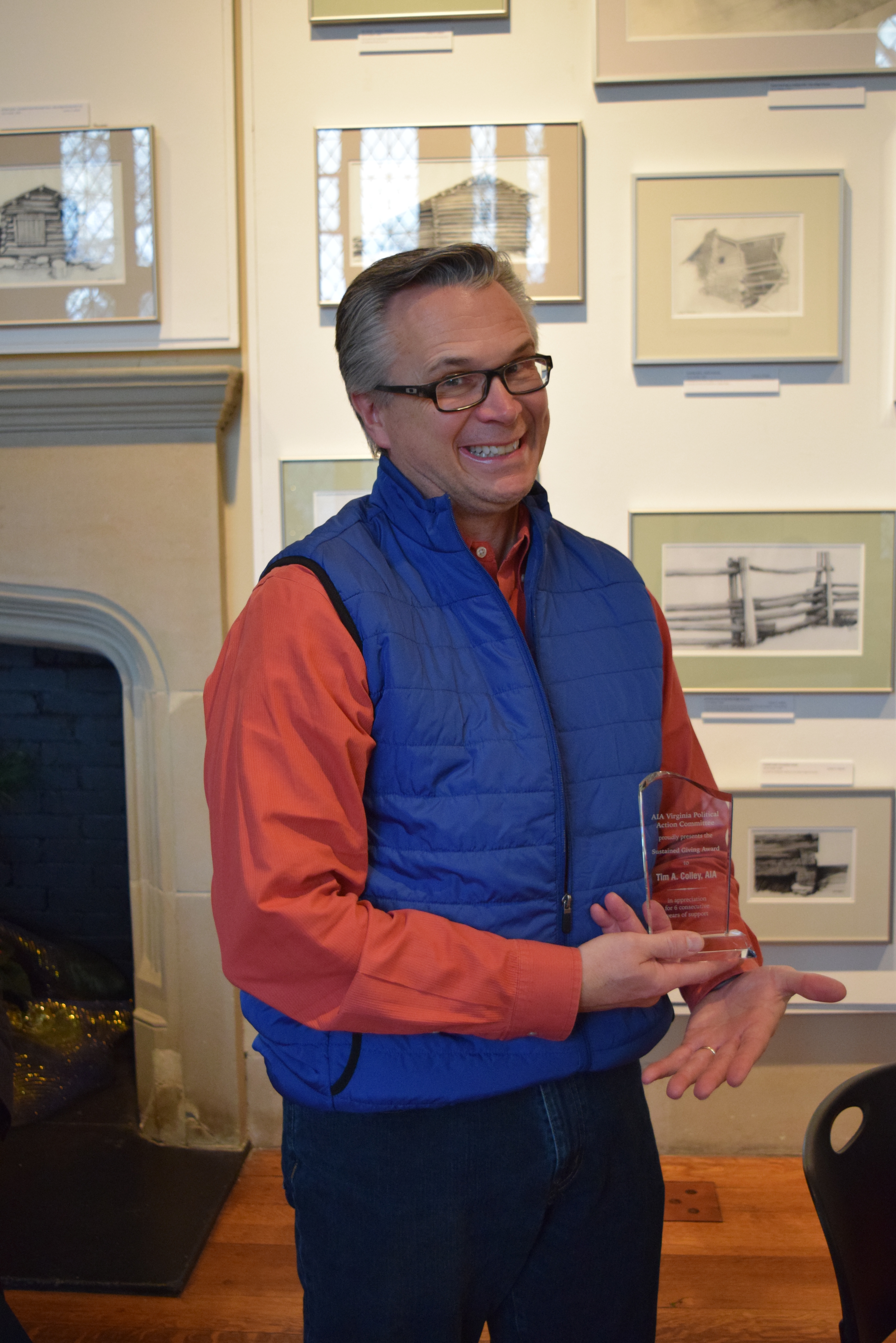
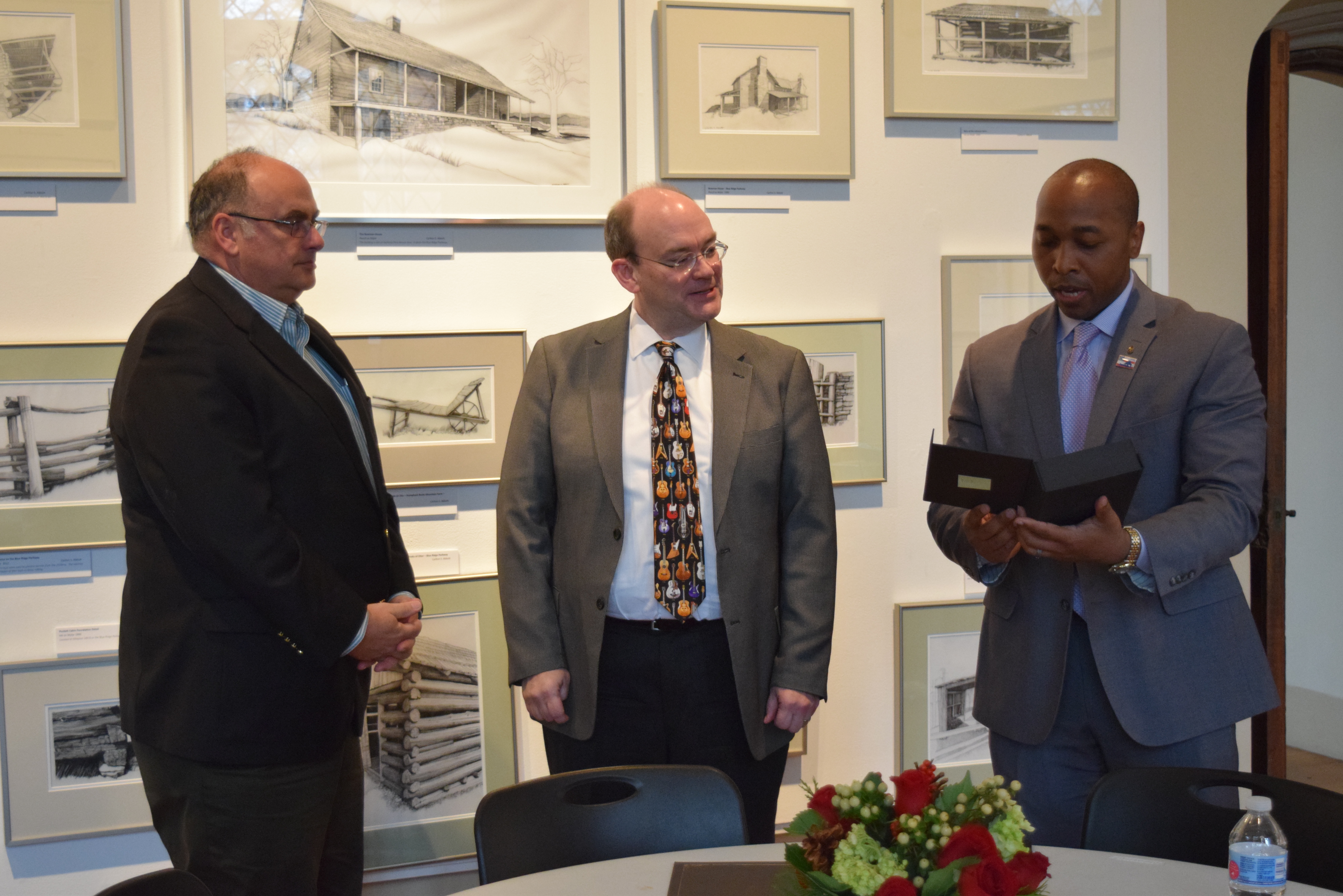
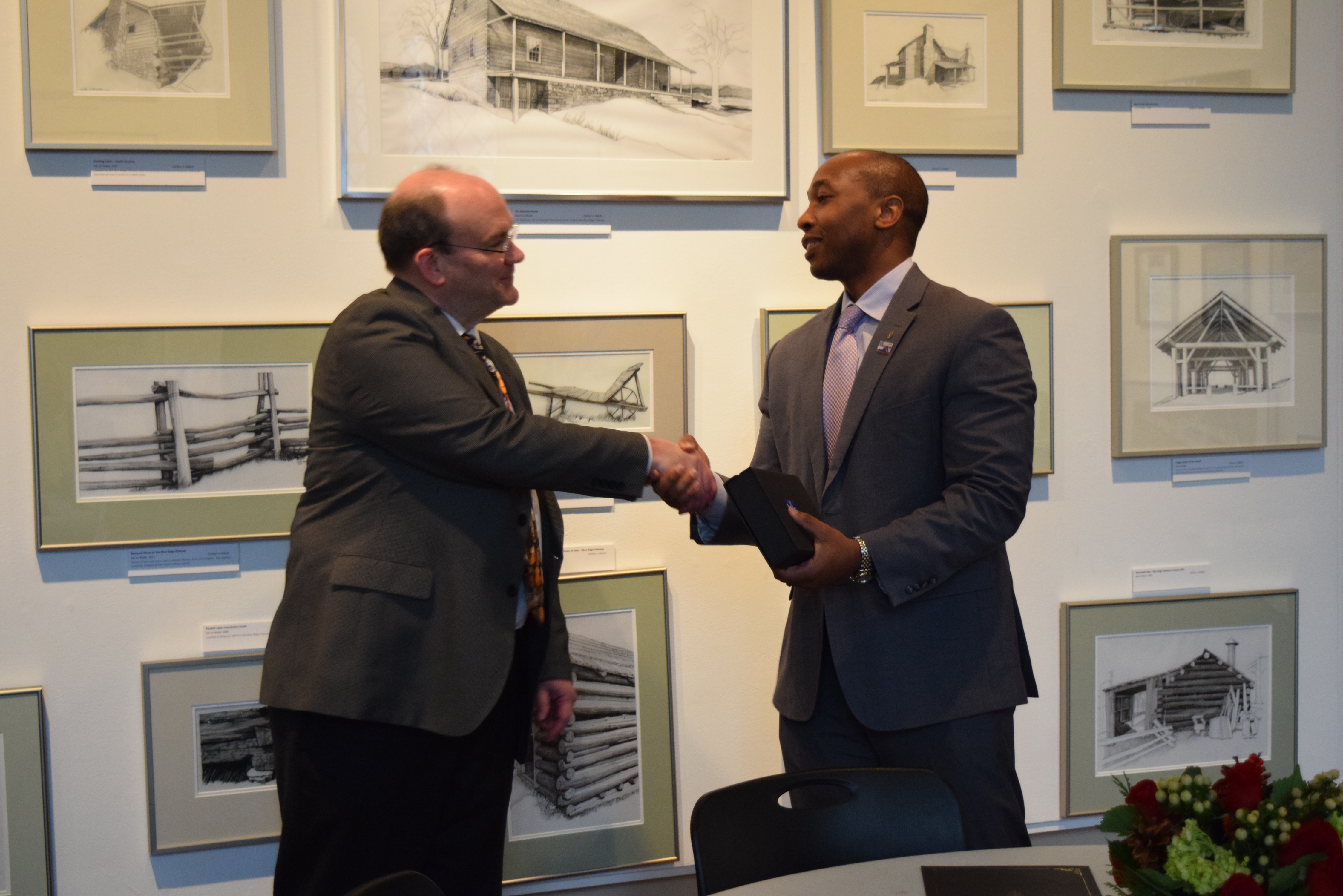
At the AIA Virginia Board of Directors luncheon on Friday, December 8, 2017, three members were recognized with sustained giving awards for 6 consecutive years of gifts to the AIA Virginia Political Action Committee (PAC).
Congratulations to Tim Colley, AIA, Bill Brown, AIA and Nick Vlattas, AIA.
Join these members by making your contribution today! www.aiavapac.org
Damian Seitz, AIA, 2016 President of AIA Hampton Roads, and AIA Virginia director, made an exciting announcement at the June 17th AIA Virginia Board of Directors meeting. 100% of the AIA Hampton Roads board has contributed to the AIA Virginia PAC this year! This is amazing and we are so grateful for the support!
How about your chapter board? We challenge you to get 100% participation from your chapter board by donating at www.aiavapac.org today!
Contribute to the AIA Virginia Political Action Committee
Why?
Through the PAC, the membership of AIA Virginia supports candidates who understand the architecture profession. When these candidates win, they bring that understanding to the General Assembly and to your issues. You and your firm benefit.
By speaking with a united voice, architects influence government actions that affect our profession and the quality of life for all Virginians. AIA Virginia uses the collective power of its membership to participate in the legislative and regulatory policy making process.
Through the PAC, the membership of AIA Virginia supports candidates for state office who understand the profession and support its goals.
The AIA Virginia PAC supports candidates without regard to party.