Kathleen S. Kilpatrick Honored with Architecture Medal


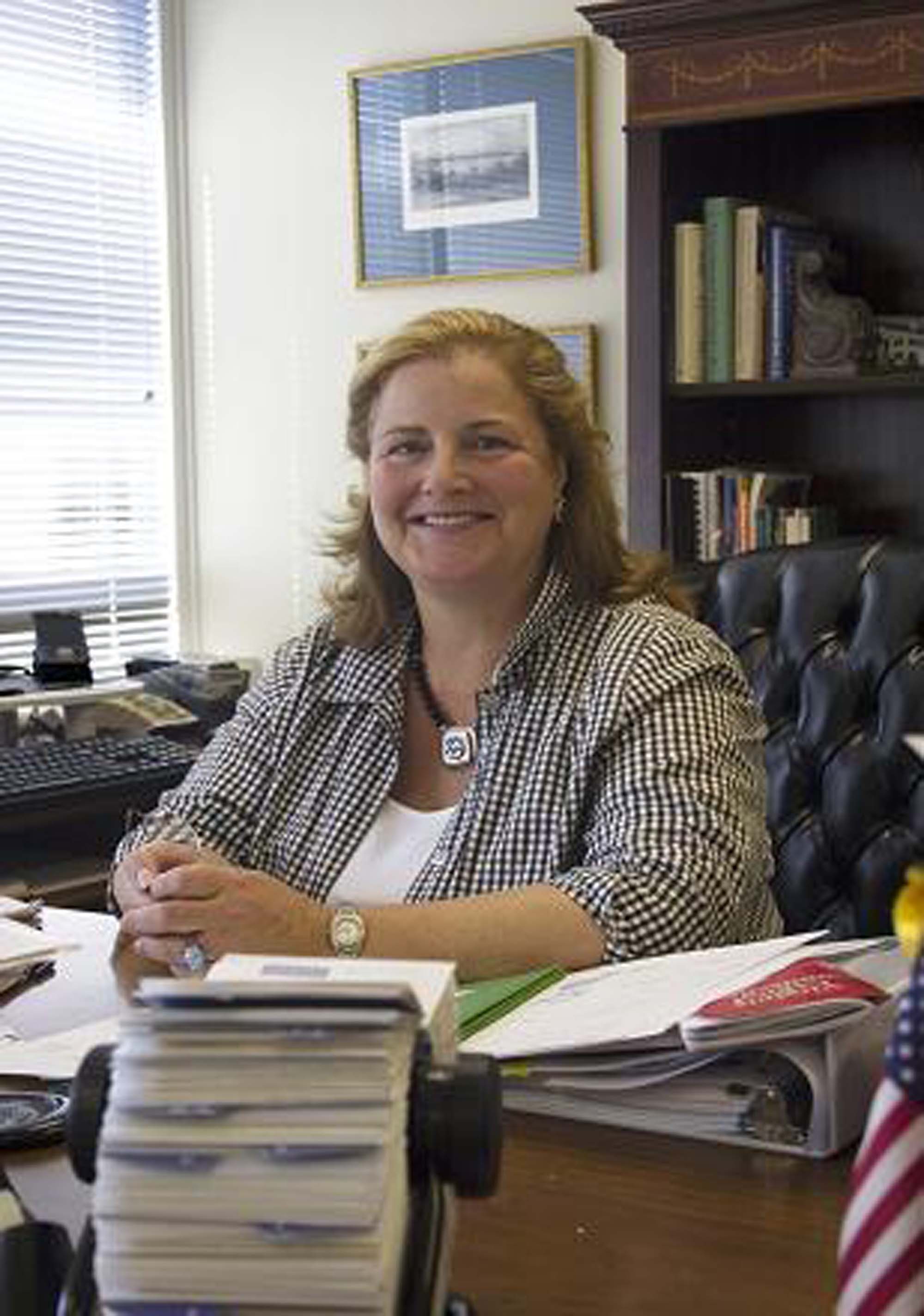
Kathleen Kilpatrick, Hon. VSAIA

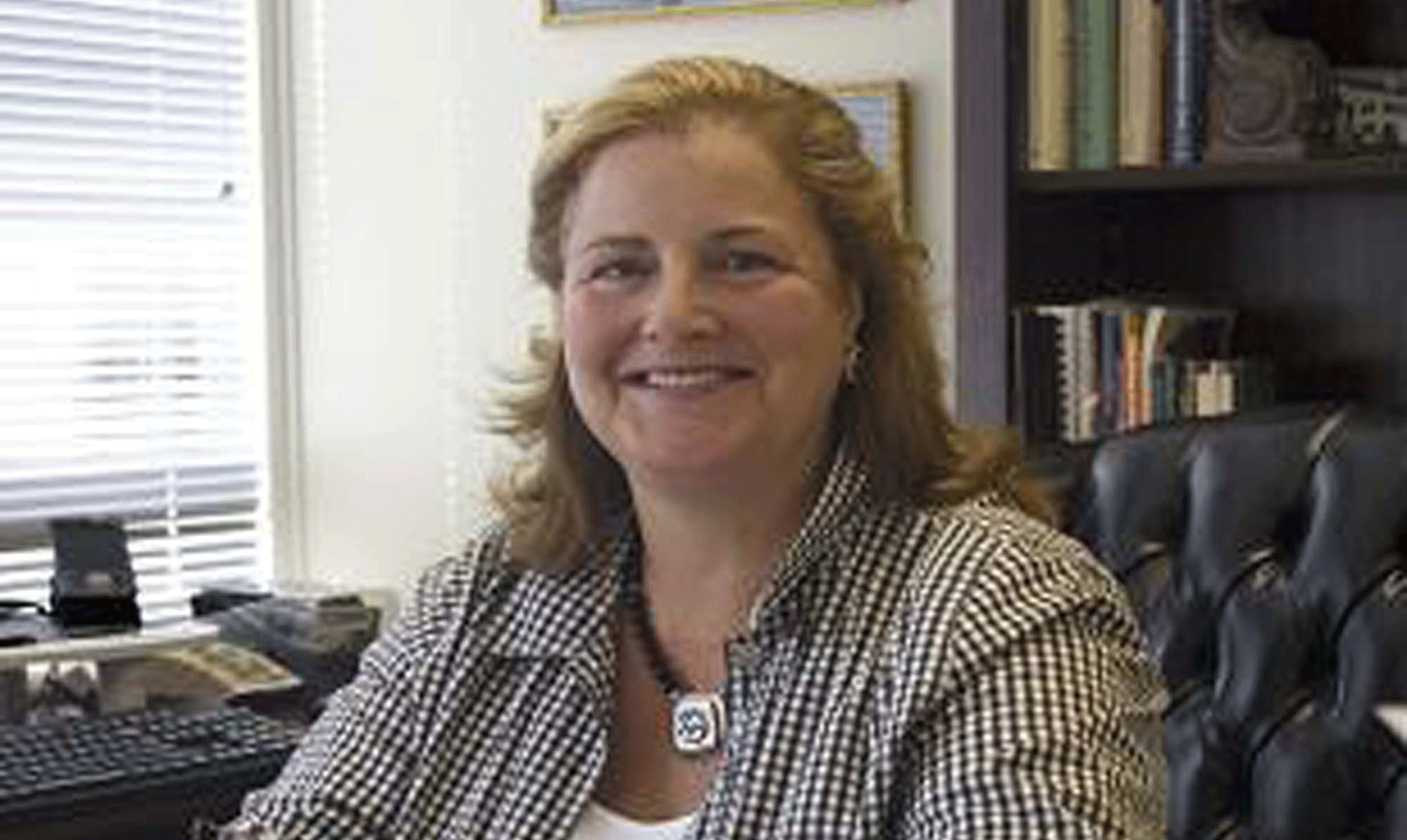
Kathleen S. Kilpatrick has been selected to receive the Architecture Medal for Virginia Service. The Society’s most prestigious public award, the Medal honors an individual or organization that has made an unusually significant contribution to Virginia’s built environment or to the public’s understanding and awareness of our built world. The Society presents this award jointly with the Virginia Center for Architecture at the Visions for Architecture gala on Friday, Nov. 7, 2014, at the Jefferson Hotel.

With more than 20 years of dedicated service and leadership as an official of the Commonwealth, Kilpatrick’s contributions to Virginia’s built environment have had a tremendous impact. Her service with the Virginia Department of Historic Resources from 1995–2013 and her leadership as current Executive Director of the Capitol Square Preservation Council have included measurable and lasting accomplishments. Through diligent efforts working with the Governor and the Virginia General Assembly, she has influenced the passage of tax rehabilitation incentives, developed effective processes to support owners’ donation of protective easements and urged the successful appropriation of funds for the purchase of threatened battlefields. Her programs have enhanced historic preservation activity to be recognized as engines for economic development, and she has helped to create an environment for architects to provide new life for old buildings through their preservation projects.

In addition, Kilpatrick’s focus on elevating and broadening the understanding of the significance of historic buildings, places and sites has enhanced the public’s view of the cultural values of Virginia’s built environment.

“Ms. Kilpatrick’s influence has been felt in virtually every community of the Commonwealth,” says Elizabeth Kostelny, Executive Director of Preservation Virginia. “A few years ago, Ms. Kilpatrick was quoted as saying, ‘When things are lost, they’re lost forever.’ That statement reflects Ms. Kilpatrick’s underlying motivation. Her tireless work has saved historic buildings, battlefields, important Virginia Indian sites, neighborhoods and more—all to employ those places for our future.”

2014 Design Awards Announced

Virginia Architects are honoring the very best work by designers working in Virginia in the 2014 Awards for Excellence (also known as the Design Awards). These awards celebrate projects no older than seven years that contribute to the built environment and are clear examples of thoughtful and engaging design. This year juries have identified 12 Honor Awards and six Merit Awards. Award categories include Architecture, Contextual Design, Historic Preservation, Interior Design and Residential Design.

These projects will be on display at the Virginia Center for Architecture in Design 2014: A Retrospective of Winning Work, Oct. 30, 2014–Jan. 4, 2015. 

(image galleries follow each category announcement)

In the ARCHITECTURE category

The jury considers aesthetics, adherence to the client program, proven and projected building performance and concept development during its deliberations.

Architecture Honor Award Recipients:

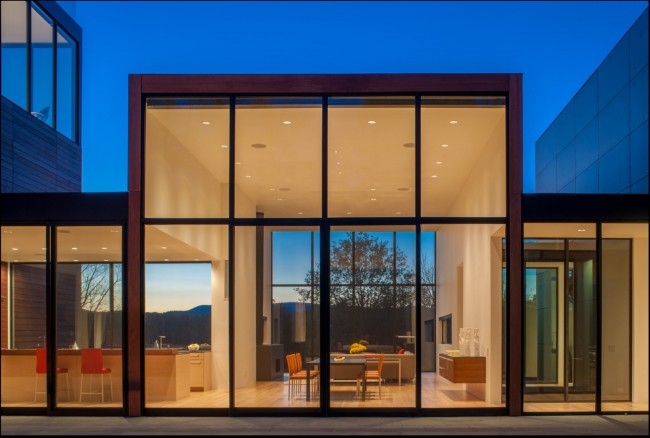
  • 4 Springs Lane (Rappahanock, Va.) by Robert M. Gurney, FAIA, Architect
    “Beautifully composed on the site,” says the jury, “with a logical, clear floor plan that embraces and frames views of the landscape.”
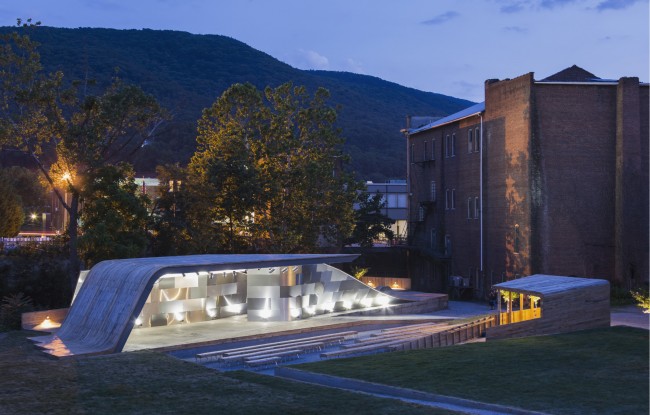
  • Smith Creek Park (Clifton Forge, Va.) by the design/buildLAB
    “The beautiful, sculptural forms relate strongly to the site and amplify the sound of the creek,” comments the jury.
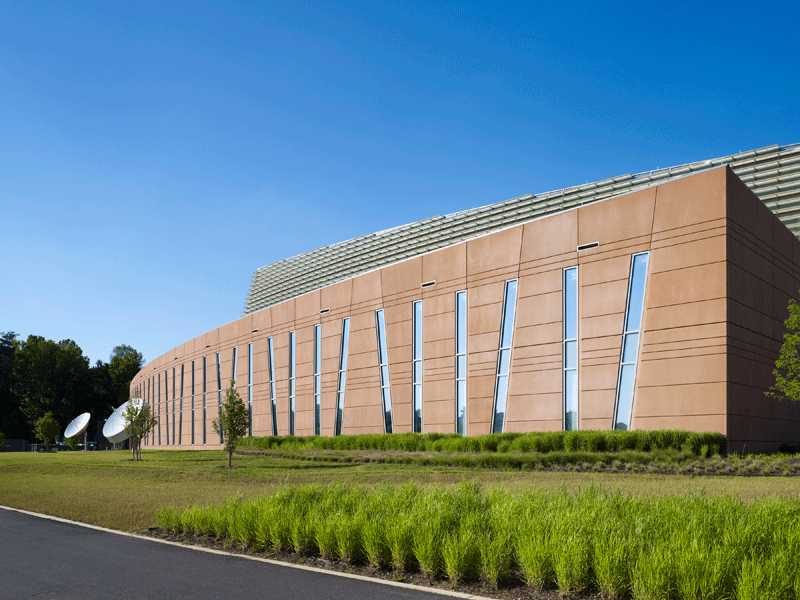
  • NOAA Center for Weather & Climate Prediction (College Park, Md.) by HOK
    “It houses a federal agency – and the design relates to and beautifully reflects their mission,” notes the jury.
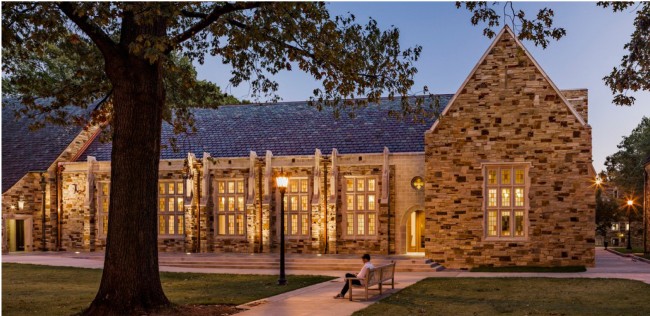
  • Catherine Burrow Refectory Renovation & Addition (Memphis, Tn.) by Hanbury Evans Wright Vlattas + Company
    “This project rises to the challenge of expanding an existing building on a campus with a strong historic character,” the jury remarks.
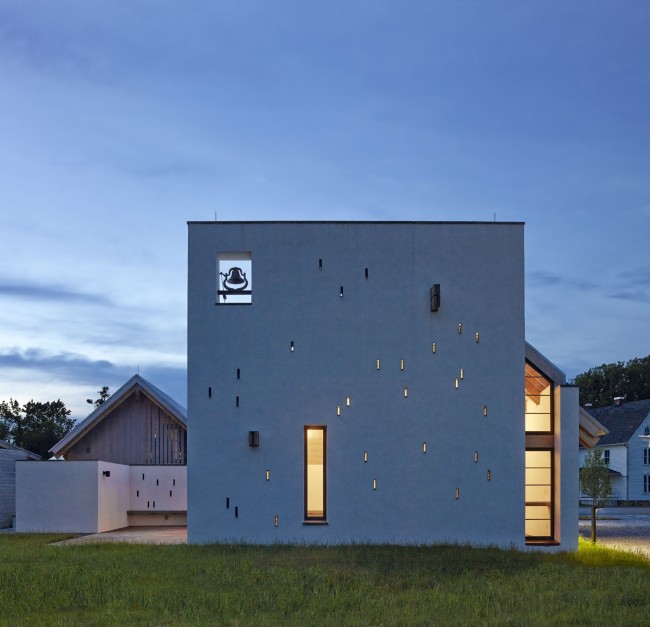
  • St. Ignatius Chapel at The Calcagnini Contemplative Center (Bluemont, Va.) by Dynerman Architects pc
    The jury notes the “incredibly warm and inviting interior space.”
  • Union Station Bus Terminal (Washington, D.C.) by Studio Twenty Seven Architecture
    “With only a few moves, the architects enlivened what is for most people, a dreary commuting experience,” says the jury.

Architecture Merit Award Recipients:

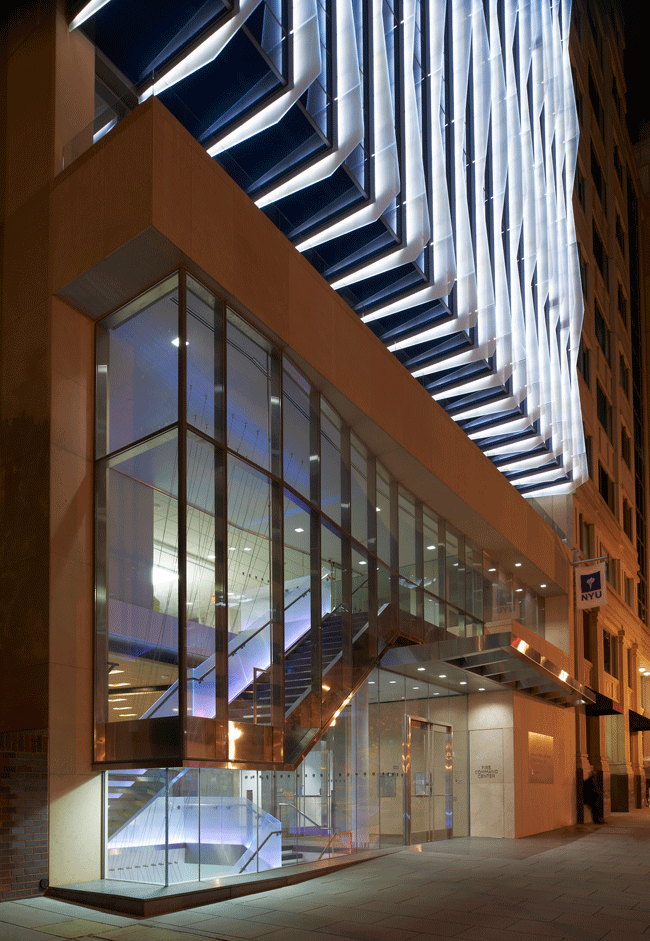
  • NYU-DC (Washington, D.C.) by Hickok Cole Architects
  • DC Consolidated Forensic Laboratory (Washington, D.C.) by HOK


In the CONTEXTUAL DESIGN category

The awards for contextual design are chosen based on outstanding architecture that perceptibly reflects the history, culture, and physical environment of the place in which it stands and that, in turn, contributes to the function, beauty, and meaning of its larger context.

Contextual Honor Award Recipients

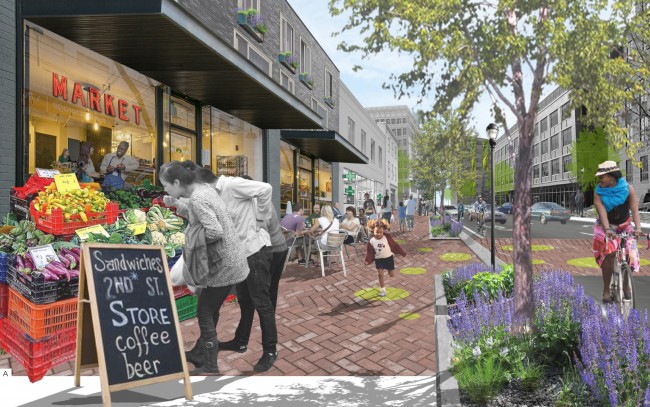
  • Charlottesville Strategic Investment Plan (Charlottesville, Va.) by Cunningham | Quill Architects, PLLC
    The jury applauded the depth of this vision plan that addresses ecology, retail, community services and mixed-income housing.
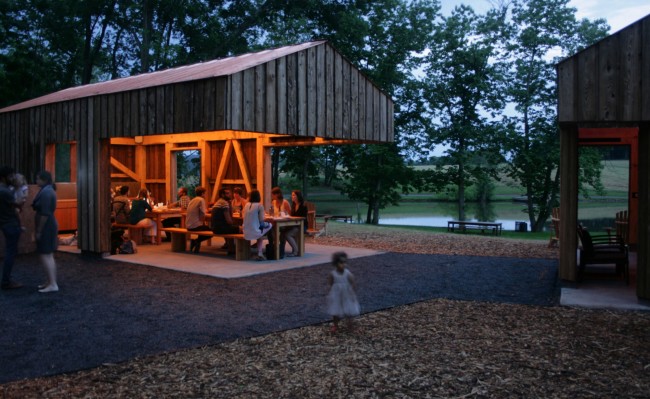
  • Round Hill Farm Pavilions and Landscape (Orange, Va.) by Spatial Affairs Bureau
    “Reflects the agrarian sensibility and arrangement of a family farm without resorting to pastiche.”


In the RESIDENTIAL DESIGN category

Aesthetic appeal and functionality are two long-established criteria for home design as are affordability and resource efficiency. The jury looks at each submission in its totality toward meeting those goals.

Residential Design Honor Award Recipients:

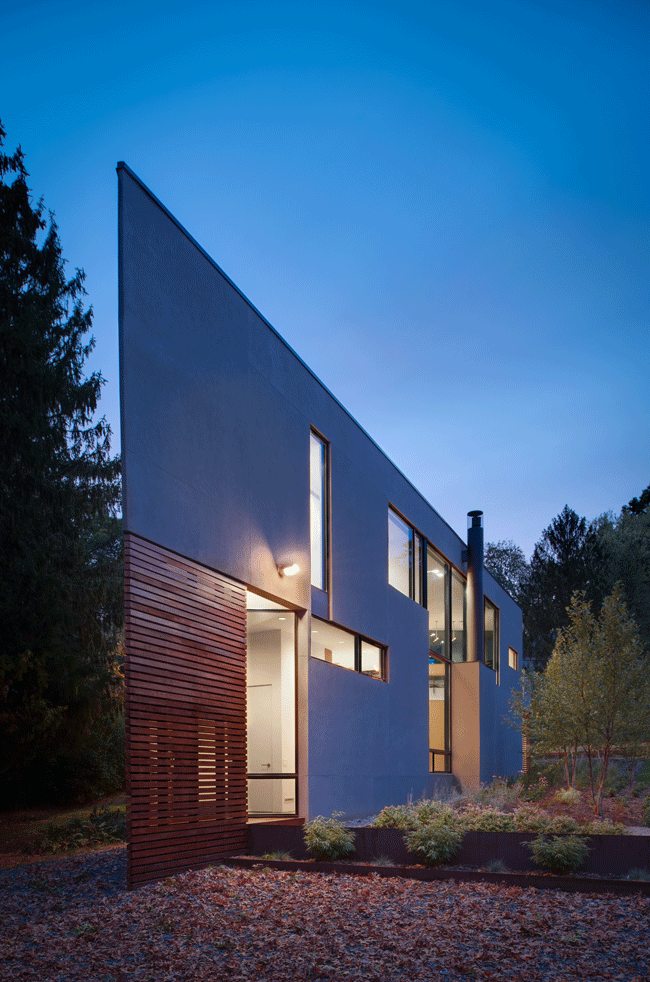
  • Hampden Lane House (Bethesda, Md.) by Robert M. Gurney, FAIA, Architect
    The jury notes the project’s “strong, simple forms and an elegant use of industrial materials.”
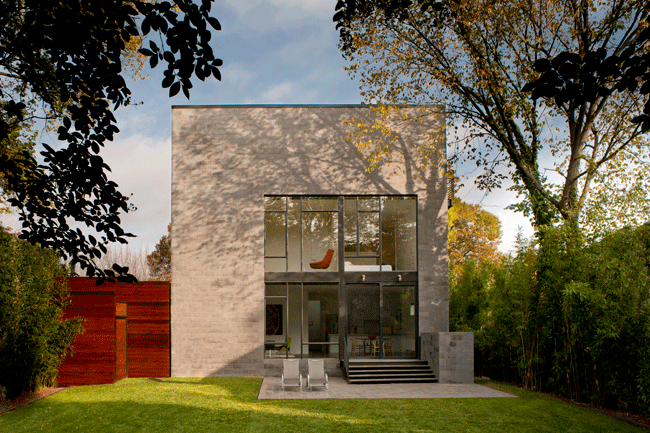
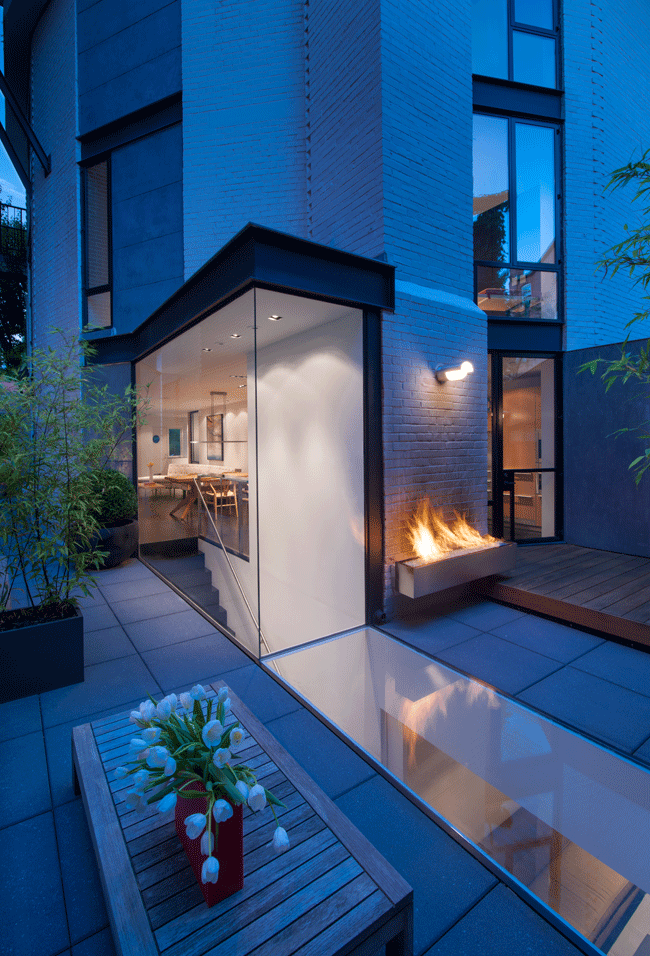
  • Komai (Alexandria, Va.) by Robert M. Gurney, FAIA, Architect
    “This is a textbook example of taking a severely constrained site and turning it into something noteworthy,” says the jury.


In the HISTORIC PRESERVATION category

The historic preservation category focuses specifically on excellence in strategies, tactics, and technologies that advance the art, craft, and science of preserving historically significant buildings and sites. The jury takes into consideration adherence to local, state, and national criteria for historic preservation.

Historic Preservation Honor Award Recipient:

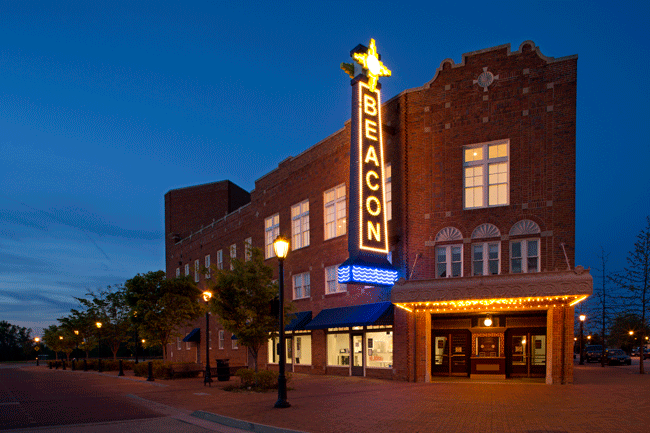
  • The Beacon Theatre (Hopewell, Va.) by Commonwealth Architects
    The jury says “the renovation of the theater and the adaptive reuse of the adjacent building demonstrates comprehensive preservation – careful research, beautiful restoration and thoughtful adaptive reuse in support of new programmatic requirements and economic realities – which will serve as a catalyst for continued downtown revitalization.”

Historic Preservation Merit Award Recipients:

  • Sherman Building Reconstruction (Washington, D.C.) by Quinn Evans Architects
  • Roanoke City Market (Roanoke, Va.) by Cunningham | Quill Architects, PLLC
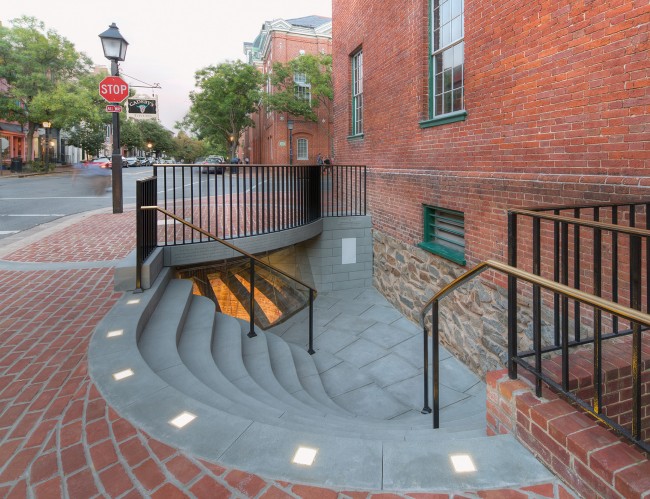
  • Gadsby’s Tavern Ice Well (Alexandria, Va.) by BELL Architects and Larson / Koenig Architects


In the INTERIOR DESIGN category

Interior design projects are judged on mastery of composition, functionality, material and color palettes, and well-integrated adherence to the highest levels of accessibility, health and safety, environmental, and occupant-comfort considerations, standards, and regulations.

Interior Design Honor Award Recipient:


  • NOC Conversion (Washington, D.C.) by Robert M. Gurney, FAIA, Architect
    The jury says this project “made an undesirable unit very desirable. Difficult to achieve.”

Interior Design Merit Award Recipient:

  • Gallaudet University Student Housing Commons Interiors (Washington, D.C.) by Studio Twenty Seven Architecture


About the Awards for Excellence in Architecture
All entries must be the work of architects who have an office in Virginia or are members of the Virginia Society of the American Institute of Architects. The location of projects is not restricted, but any built work submitted must have been completed after January 1, 2007. Un-built work was also be considered, as long as it was commissioned by a client as opposed to hypothetical work completed in the mode of research or academic training.

The 2014 Awards for Excellence in Architecture are sponsored by Hanbury Evans Wright Vlattas + Company, GeoEnvironmental Resources, and Jack Davis, FAIA.

About the Virginia Society of the American Institute of Architects
The Virginia Society of the American Institute of Architects is a professional association representing nearly 2,500 members. Founded by 5 architects in 1914, the Virginia Society AIA has represented the professional interests of architects and allied professionals in the Commonwealth of Virginia for 100 years. For more information, contact the Virginia Society a (804) 644-3041 or visit www.aiava.org.

VCA Announces Future Name Change

back-springThe Virginia Center for Architecture announced on May 21 its intention to change its name to the Virginia Museum of Architecture and Design ― VMAD for short.

“This change affirms how we’ve always envisioned ourselves,” says Executive Director Helene Combs Dreiling, FAIA. “As a public institution dedicated to elevating the understanding of architecture and design, we’ve been offering educational programming, exhibitions, and tours since we opened in 2005. We behave as a museum and, as we approach our tenth year, we determined our name should reflect this reality.”

The name change also expresses a recent expansion of the organization’s mission. On March 15, 2013, the Board of Trustees voted to incorporate design into the museum’s mission statement. “The design disciplines are inherently connected,” says board chair Peyton Boyd, FAIA. “This addition allows us to consider the influence of design on nearly every aspect of our lives. In addition to architecture, we can explore interiors, objects, fashion, graphic design, and landscape architecture. It also opens the door to investigate community design, urban planning, transportation, and so much more,” he continues.

A new graphic identity will be revealed during an unveiling ceremony at a later date.

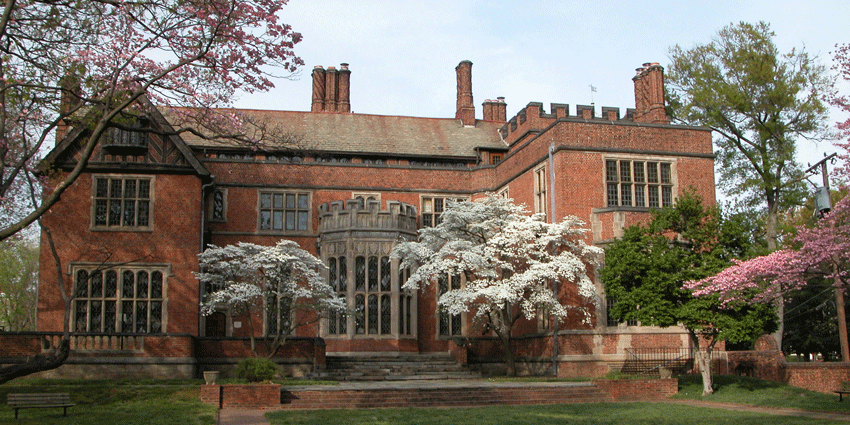
The Virginia Center for Architecture is located in the Branch House at 2501 Monument Avenue in Richmond, Virginia’s historic Fan District. The Center is dedicated to developing the understanding of the power and importance of architecture and design through programs, exhibitions, and its stewardship of an historic landmark. The Center is open to the public Tuesday through Friday from 10 a.m. to 5 p.m.; Saturday and Sunday from 1 to 5 p.m. Learn more at www.architectureva.org.

Virginia’s Favorite Architecture Announced

The votes are in and the people have spoken. The Virginia Center for Architecture announces today that Sweet Briar House at Sweet Briar College came out on top in a public poll to identify Virginia’s Favorite Architecture. The survey, which garnered nearly 30,000 votes, found that Virginians chose buildings that evoke powerful emotions and memories as their favorites. Universities and Thomas Jefferson claim most of the top 10, with an historic church and an iconic airport thrown into the mix.

“Keeping in mind that favorite doesn’t necessarily mean best, the results make it clear that we forge deep personal connections to architecture,” says Virginia Center for Architecture Executive Director Helene Combs Dreiling, FAIA; “Buildings that hold sentimental value for us are just as meaningful as those that are considered to hold great architectural or historical significance.”

An exhibition titled Virginia’s Favorite Architecture opens on Thursday, April 10 at the Virginia Center for Architecture and highlights each of the 100 structures identified as Virginia’s most beloved pieces of architecture. The exhibition runs through Oct. 19. See the complete list>>

The Top 10

1              Sweet Briar House, Sweet Briar College, in Sweet Briar, Va. c. 1790 — Joseph Crews

2              Monticello, in Charlottesville, Va. c. 1770 — Thomas Jefferson

3              Burruss Hall, Virginia Tech, in Blacksburg, Va. 1936 — William Carneal and J. Ambler Johnston, AIA of Carneal, Johnston, and Wright, Architects and Engineers

4              LUMENHAUS, Virginia Tech, in Blacksburg, Va. 2009 —  Center for Design Research, Virginia Tech School of Architecture +  Design,  CAUS

5              The Academical Village, University of Virginia, in Charlottesville, Va.1822 — Thomas Jefferson

6              War Memorial Chapel and Pylons, Virginia Tech, in Blacksburg, Va. 1960 — Roy F. Larson, FAIA of Harbeson, Hough, Livingston, & Larson

7              Washington Dulles International Airport, in Chantilly, Va. 1962 — Eero Saarinen and Associates

8              Moss Center for the Arts, Virginia Tech, in Blacksburg, Va. 2013 — Snøhetta

9              Christ Church, in Alexandria, Va. 1773 — Col. James Wren

10           Poplar Forest, in Forest, Va. 1809 — Thomas Jefferson

About the Top 100
The top 100 structures identified as Virginia’s Favorite Architecture are a diverse mix, spanning a variety of architectural styles, types, and periods. They represent Virginia’s rich history and showcase the state’s many architectural treasures — both innovative and traditional. See Virginia’s Favorite Architecture Top 100>>

Virginia’s Favorite Architecture: By the Numbers

  • Thomas Jefferson is the architect appearing most frequently on the list, with 6 structures
  • There are 7 places of worship on the list
  • Schools and universities own or operate 12 structures on the list
  • 1 structure hasn’t even been built yet: The VCU Institute for Contemporary Art
  • Nearly all of the structures are cultural destinations: either museums, historic homes, memorials or entertainment venues
  • The Richmond region boasts the most structures on the list with 32; the Blue Ridge region claims 23 (with 6 in the top 10); Northern Virginia has 18; the Hampton region has 16; and Central Virginia holds 11

About the Poll
At the end of 2013, the Virginia Center for Architecture and the Virginia Society of the American Institute of Architects conducted a public survey to determine Virginia’s most beloved pieces of architecture. Visitors to vacelebrates.org were invited to choose their favorites from among 250 buildings, bridges, monuments, and memorials. The structures were nominated by architects to represent Virginia’s rich architectural heritage.  The “people’s choice” poll was not scientific. “Social media and alumni networks can have a measurable effect on public polls like this one,” says Rhea George, Director of Marketing and Communications for the Virginia Center for Architecture. “We tried to even the playing field a bit by allowing only one set of votes per IP address.”

About the Exhibition
An exhibition titled Virginia’s Favorite Architecture opens on Thursday, April 10 at the Virginia Center for Architecture and highlights each of the 100 structures identified as Virginia’s most beloved pieces of architecture. It is on view at the Virginia Center for Architecture through Oct. 19, 2014. The exhibition was designed by Roberto Ventura with curatorial support from Lauren Bell and Julie Pence.

About the Opening Reception
Virginia’s Favorite Architecture
premieres on Thursday, April 10, 2014 at the Virginia Center for Architecture with an Opening Reception from 4:30–7:30 p.m. The reception is free, but space is limited and reservations are recommended. Register online at architectureva.org or by phone to (804) 644-304, ext. 100. Virginia’s Favorite Architecture is on view through Oct. 19, 2014.

About the Guest Curator
Roberto L. Ventura has practiced and taught modern and sustainable design in Virginia and North Carolina for 15 years. A member of a number of local teams earning design awards from AIA Richmond and the James River Green Building Council, his work has also been exhibited nationally through the HOME House Project sponsored by the Southeastern Center for Contemporary Art. For the international light art exhibit InLight Richmond 2009, he collaborated with poet Joshua Poteat on the installation “for gabriel,” winning Best in Show.

While maintaining his practice, roberto ventura design studio, Ventura is an Assistant Professor in the Department of Interior Design in the School of the Arts at Virginia Commonwealth University. He has also taught Interior Architecture at the University of North Carolina – Greensboro, and has lectured at the University of Oulu, in Oulu, Finland. Ventura holds a Master’s in Architecture from Miami University and a B.A. in Math and Physics from Albion College. He earned his LEED AP accreditation in 2008 and his NCIDQ certification in 2012.

AIA Celebrates 100 Years in Virginia

Virginia Celebrates ArchitectureAs the Commonwealth collectively greets the new year, citizens throughout Virginia are working, studying, shopping, eating and sleeping in spaces designed by architects — many with very little understanding of how quality design enriches the human experience.  Virginians move through their days without recognizing how architecture shapes our lives and reveals our history. Without being conscious of how we all use places to describe and anchor some of the most important events in our lives — from the hospitals where we were born to the cemeteries where our loved ones are buried.

As the Society welcomes 2014, we’re marking the 100th anniversary of the AIA in Virginia by generating a new conversation about the designed environment. In close collaboration with the Virginia Center for Architecture, and AIA components in Virginia, we’ll embark on a comprehensive public outreach program called Virginia Celebrates Architecture. Through this year-long observance, we’ll work to develop a broader understanding of what architects do and the value they bring to our communities.

A robust schedule of public outreach programming, including exhibitions, lectures, group programs, and tours will take place throughout the year.  The centerpiece of this program is an exhibition announcing Virginia’s favorite architecture. The exhibition — aptly titled Virginia’s Favorite Architecture — showcases the results of a public poll which garnered nearly 30,000 votes during November and December. It kicks off with a public announcement and Opening Reception on Thursday, April 10, at the Virginia Center for Architecture.  In addition, through the compilation and timely release of a year-long series of top ten lists, we’ll use structures to tell the story of the Commonwealth and the citizens that built it and inhabit it today.

Several special events have been planned for members of the profession as well.[adrotate banner=”52″]

Virginia Design Forum: Dwelling  — April 11–12
The eleventh biennial Virginia Design Forum turns our attention to the one environment where we yearn to feel most secure: home. Speakers include Peter Gluck of Gluck+; Kai-Uwe Bergmann of BIG; Jeff Kovel of Skylab; and Ma Yansong of MAD.

A Virginia Accord — Sept. 19–20
We’ll consider job creation and environmental sustainability through the lenses of transportation, the constructed environment, public health, land development, and urban infill. Speakers include Richard Jackson, author of Making Healthy Places; Dan Friedman, President of National Academy of Environmental Design; James Cramer of Greenway Consulting and Chair of the Design Futures Council; and outstanding speakers representing mayors, USGBC and transportation interests.

Architecture Exchange East — Nov. 5–7
We’re featuring nearly 70 educational sessions, spectacular behind-the-scenes architectural tours, engaging special events, and cutting-edge vendors. Keynote speaker Brian Mackay-Lyons will share his pioneering work with MacKay-Lyons Sweetapple Architects.