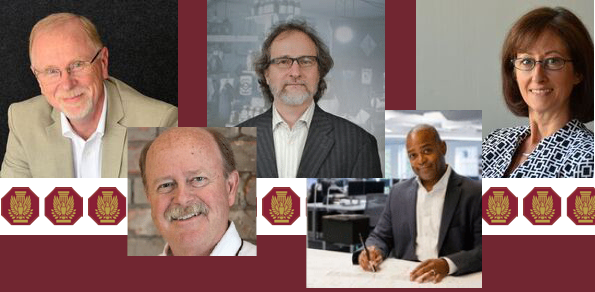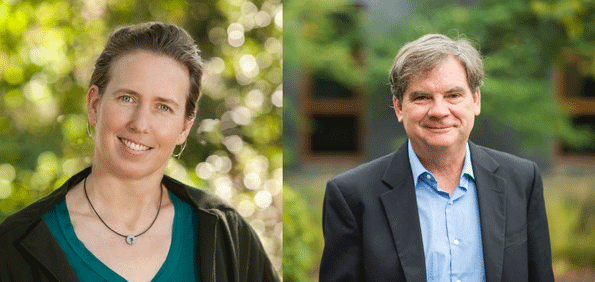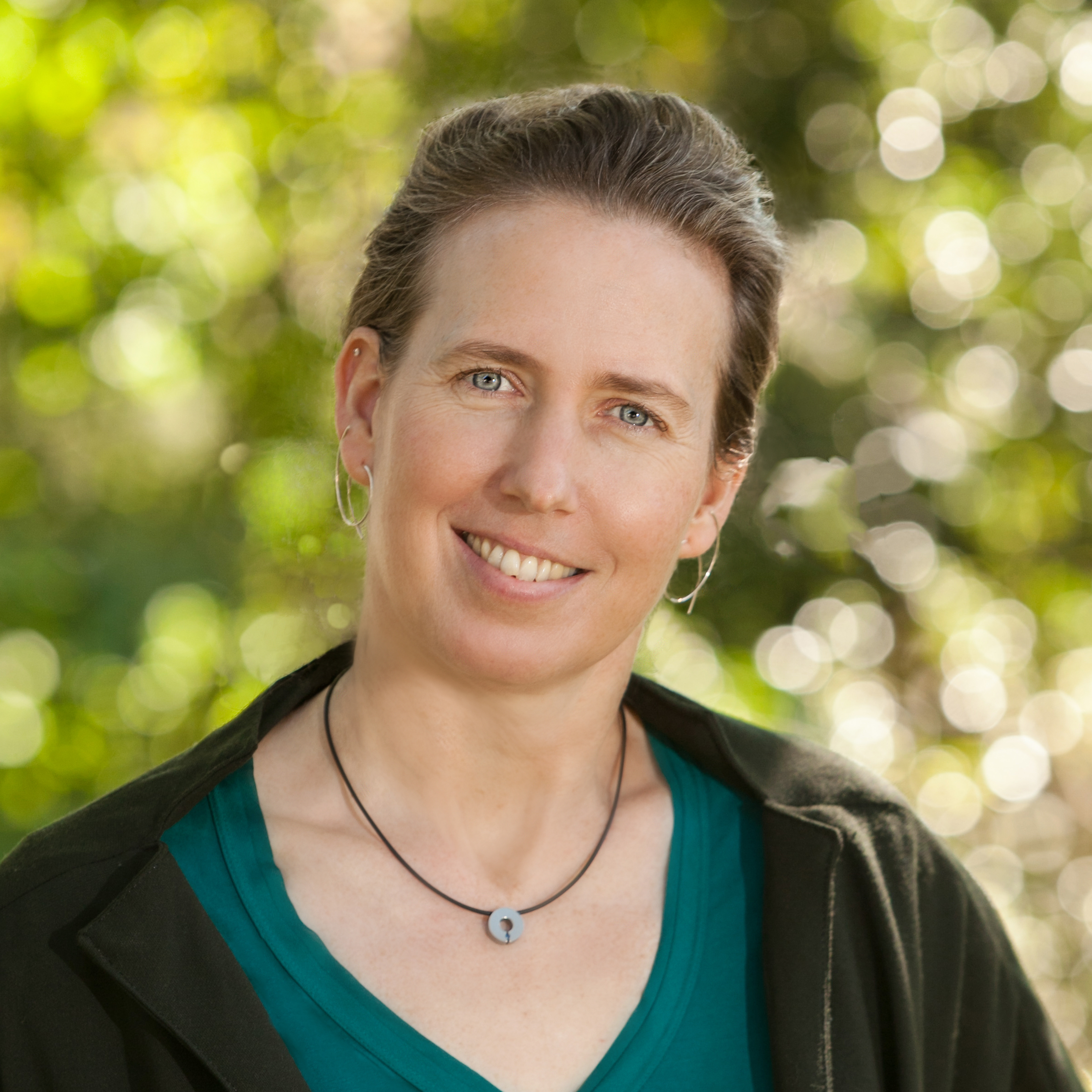

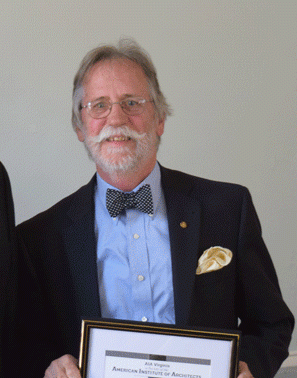
Meet James P. Clark, FAIA

James P. Clark, FAIA has created programs that empower collaborative connections that harness the collective knowledge and talents of architects, students, and institutions. He is a principal at MTFA Architecture and is past President of AIA NOVA and AIA Virginia. His goal is to work towards a meaningful worldview that shapes culture. James has been the recipient of many design awards and has received the distinguished VSAIA Award of achievement for creating, preserving and enhancing communities.

Where did you go to college?
I attended The Catholic University of America for my undergraduate and graduate degrees. I wanted to learn about architecture while being in the Nation’s capital.

Would you recommend studying architecture to a young person?
Absolutely! Architecture is an art that shapes people’s everyday lives, and all young people should study architecture, even if they do not anticipate becoming an architect. Architecture should be part of the grade school and high school curriculum. 

What does it take to be an architect?
An architect has to be passionate about architecture and must have many rich life experiences. An architect needs to be curious and be ready to be a life-long learner and teacher. 

Was there an architect that particularly inspired you?
When I completed college, I joined Cooper-Lecky Architects, and I was fortunate that W. Kent Cooper, FAIA became my life-long mentor. He taught me about the formative influences of architecture and design. He was present at every major turn in my profession, and I even refer to his guidance now that he has passed away. All architects should seek a mentor to inspire them.

What are you currently reading?
I love to read and discover what others are thinking! I just finished three great books: Elon Musk: Tesla, SpaceX, and the quest for a fantastic future by Ashley Vance. “Creativity Inc., Overcoming the unseen forces that stand in the way of true inspiration by Ed Cutmull (President of Pixar Animation) and How We Got To Now, Six innovations that made the modern world by Steven Johnson.

What’s the best meal you’ve ever had?
My favorite meal is pasta with pecan spinach pesto and pecorino romano. My wife copied the recipe when we were at the National Gallery of Art bookstore when we were first married, and we’ve had it once a week ever since. It’s extra special because it has become a favorite family meal. For many years it was the only way our son would eat a green vegetable. Food is important to me – enjoying a good meal is part of my French background, and eating brings people together.

Why do you volunteer with the AIA?
The AIA has always been a great way to amplify my voice. I founded the Interschool Design Competition that has now been held for over twenty years at the National Building Museum. The AIA gave me credibility that I simply did not have on my own to gather schools of architecture, AIA component chapters, and the National Building Museum to hold this competition. Right now I am using the AIA to work with others to create the AIA Advisory Resource Council for the National Mall. The idea is for our members to serve as a resource to the National Mall stakeholders. As an organization, we have an influential voice, and we need to use it more!
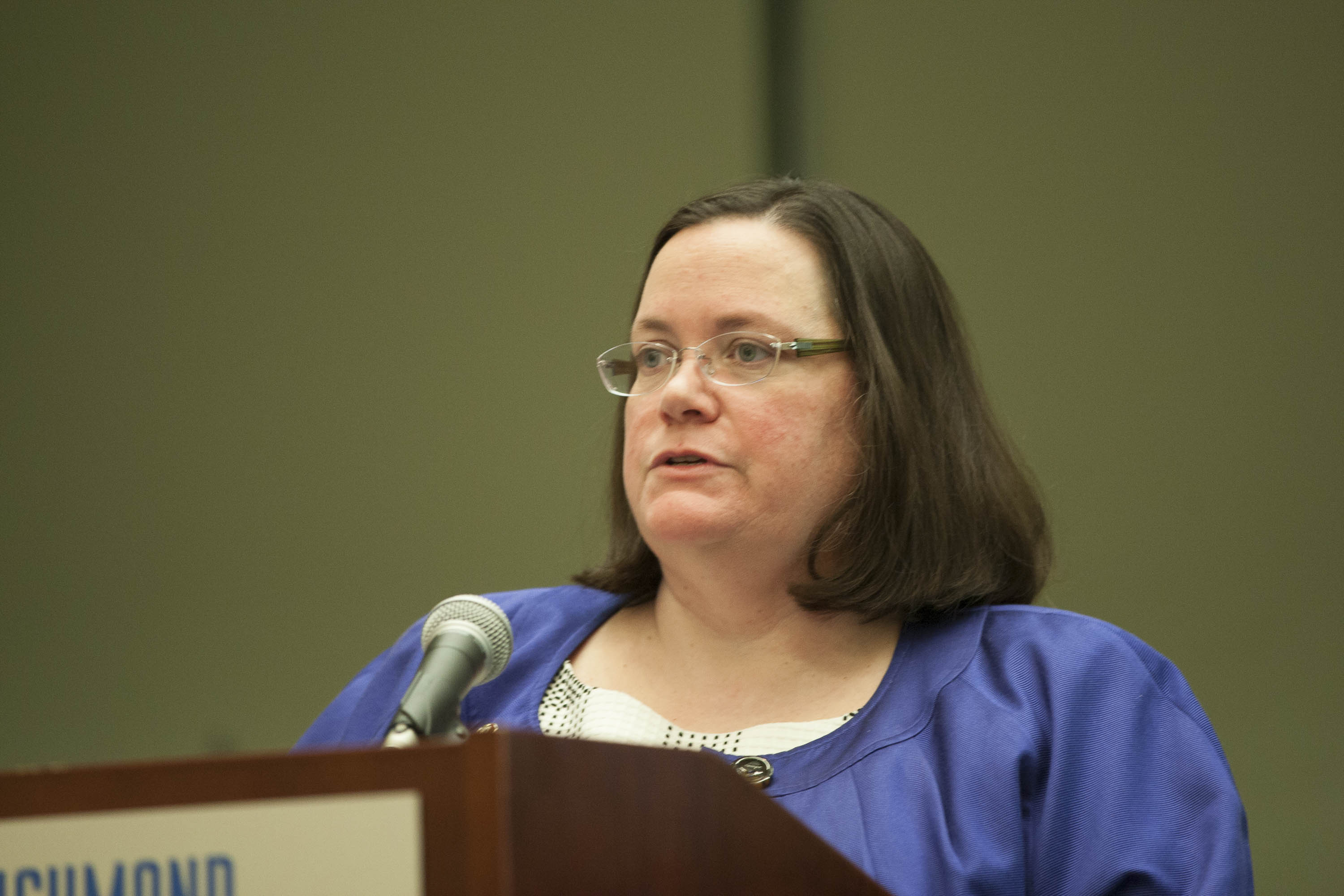
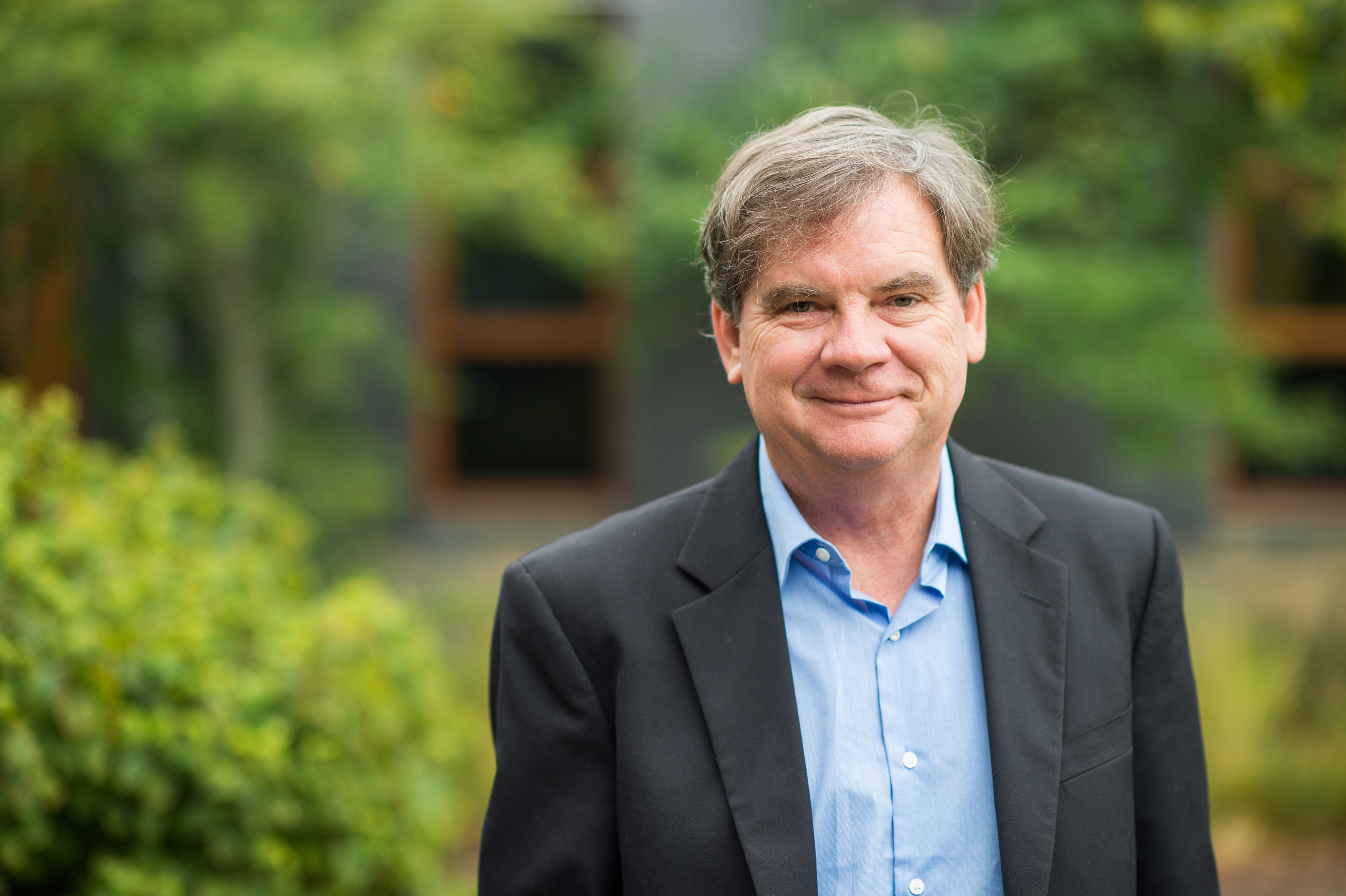
Meet Robert A. Boynton, FAIA

Robert A. Boynton, FAIA is a founding partner at the Richmond firm of Boynton, Rothschild, Rowland Architects PC. He has served the American Institute of Architects (AIA) at the local, state, and national levels, as he notes below, and is a recipient of AIA Virginia’s highest honor, the William C. Noland Medal. Bob was appointed to the Virginia Board for Architects, Professional Engineers, Land Surveyors, Certified Interior Designers, and Landscape Architects in 1992 and served as its president in 1996-1997 and 2015-2016. He was also the president of the National Council of Architectural Registration Boards (NCARB) in 2003-2004.

Where did you go to college?
Virginia Tech

Would you recommend studying architecture to a young person?
Absolutely!  A career in architecture is the most rewarding of professions – in my experience.

What does it take to be an architect?
To be a good architect it takes creativity, inquisitiveness, persistence, interest in making a difference, hard work, willingness to give back, mentorship, understanding your role in the community, and flexibility.

Was there an architect that particularly inspired you?
Frank Lloyd Wright!  His work intrigues and fascinates me and that was the trigger that led me to VA Tech.

What are you currently reading?
In between readings.

What’s the best meal you’ve ever had?
Any Italian meal.

Why do you volunteer with the AIA?
I began my career with the AIA in College as the studio Zip Daddy.  Few will remember that position.  I then joined the AIA after licensure and joined the Chapter as an officer.  I have held offices in AIA Richmond, AIA Virginia, the Region of the Virginias, the College of Fellows as Regional Representative, and currently am the Chair of the AIA National Ethics Council. I believe in the AIA’s position as leader in the profession.  My involvement in the AIA has always been positive and I have made life-long friends through my involvement in the AIA.

Meet Valerie Hassett, FAIA

Valerie Hassett, FAIA is The Virginias COF Regional Representative. Over the last two decades, she has engaged with AIA and community members to build upon the institution’s visibility and influence. Valerie has been practicing for more than 25 years and is principal at Studio of Valerie Hassett. She has designed over 1,500 multi-family living units as well as offices, educational facilities, churches, and hotels. She is Past President of AIA Virginia and AIA NOVA and has served on national AIA Committees. Valerie has been recognized by her peers with the Herb Ginsberg Leadership Award and is a recipient of the President’s Lifetime Achievement Award.

Where did you go to college?
Virginia Tech School of Architecture + Design, Washington-Alexandria Architecture Center.

Would you recommend studying architecture to a young person?
Architectural education teaches skills useful to many professions. It is an education that more people should undertake. The practice of architecture requires determination; however, it also offers many rewards.

What does it take to be an architect?
To thrive as an architect one needs desire, talent, communication skills, technical expertise, and business sense.

Was there an architect that particularly inspired you?
Yes, I had the privilege of meeting Chloethiel Woodard Smith early in my career.

What are you currently reading?
I typically have a number of books on my nightstand. The current mix includes This Brutal World by Peter Chadwick (Phaidon Press) because sometimes I am in the mood for glossy photos. Additionally, there is Albert Frey and Lina Bo Bardi: A Search for Living Architecture by Daniell Cornell (Prestel). And topping the stack is Walking in Berlin: A Flaneur in the Capital by Franz Hessel (MIT Press). This book was originally published in 1930 but has just been translated into English. I have a fascination with Weimar Germany, and these essays capture the rhythm of the city. All of the books are divergent in topic and format, yet they address similar themes.

What’s the best meal you’ve ever had?
A simply prepared black bass at Le Bernardin.

Why do you volunteer with the AIA?
For the opportunity to be in the vanguard of developments within my profession; some of the brightest minds are donating their time and resources to the AIA. To participate gives me so much more than I could ever give back.

Fellows Fete 2018

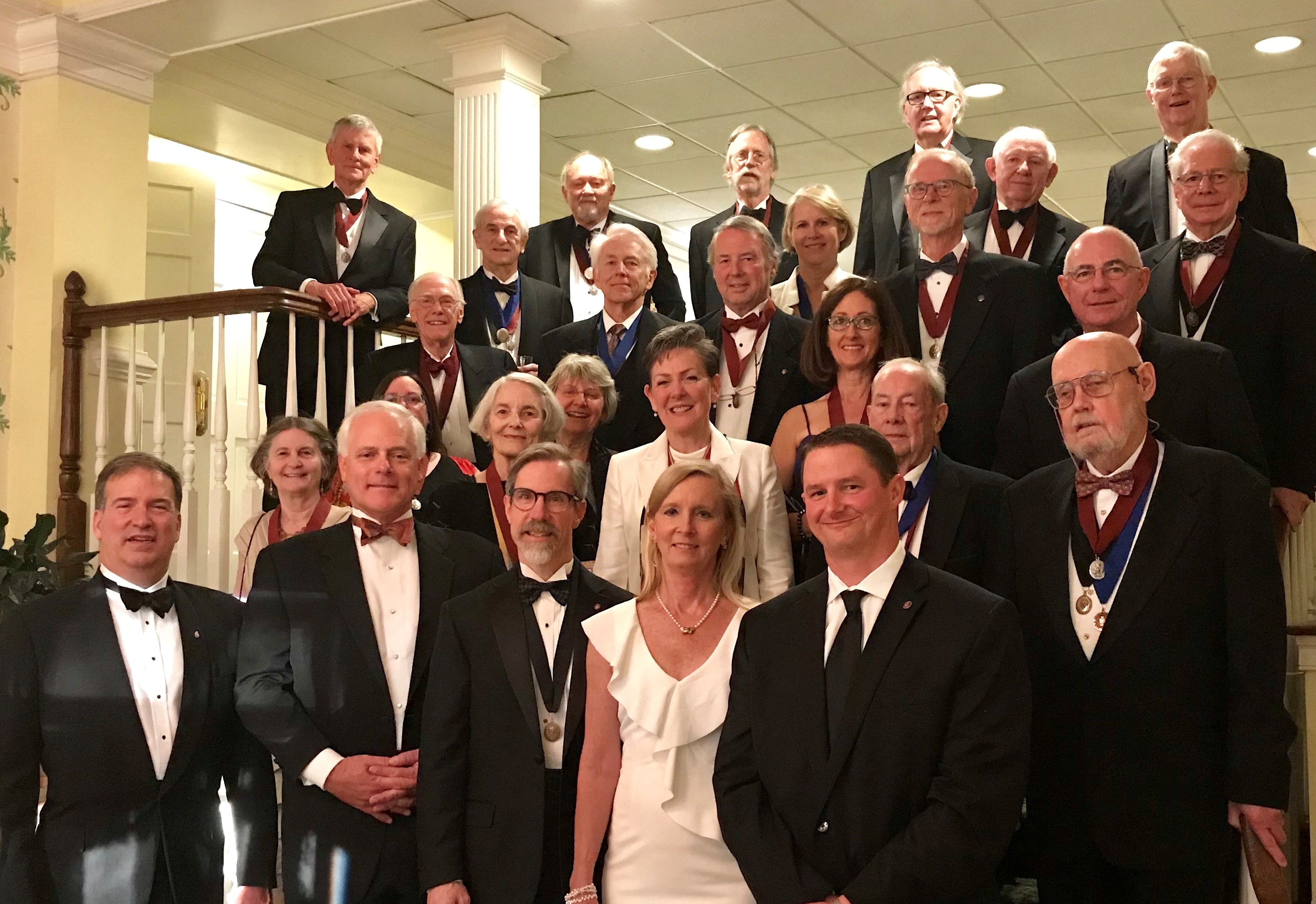
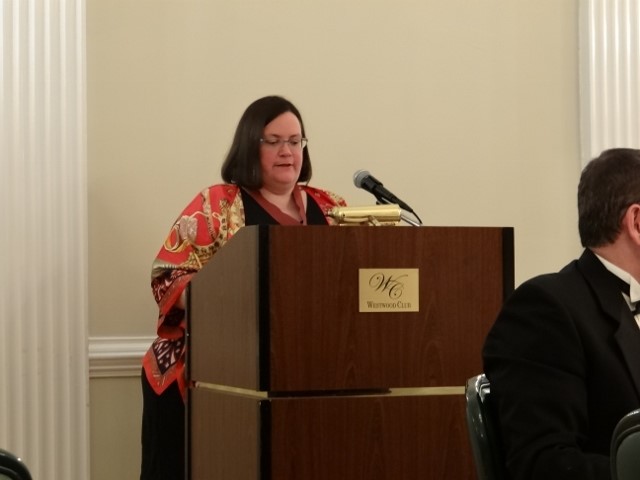
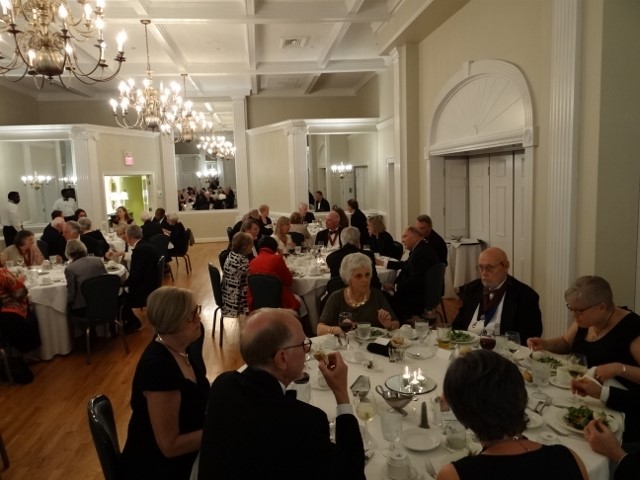
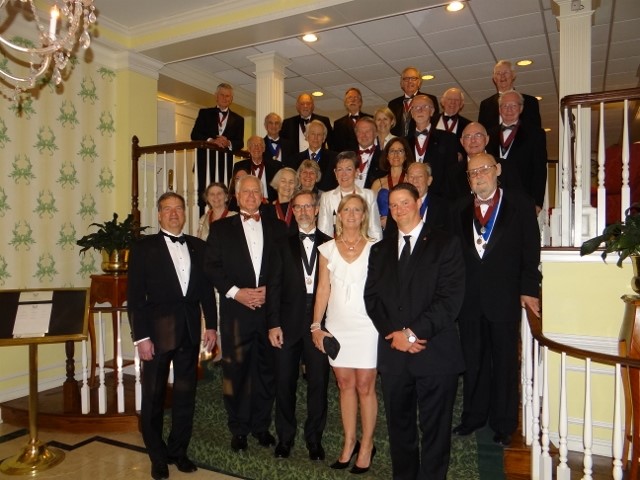
The Fellows held their annual Fete in Richmond, Saturday, April 28, 2018. They enjoyed a building tour of the new Institute for Contemporary Art (the Markel Center) at Virginia Commonwealth University followed by a black tie reception and dinner at the Westwood Club.

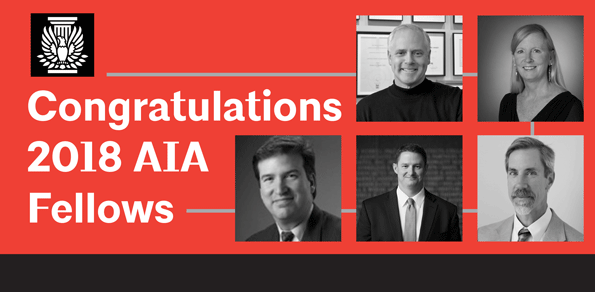
The five new fellows from Virginia and West Virginia were officially welcomed during this special evening: Donna M. Phaneuf, FAIA; Edwin Schmidt, FAIA; Nick Serfass, FAIA; Robert Steele, FAIA; and Edward W. Tucker, FAIA.

Photos shared by Baird Smith.

Virginia Celebrates New Fellows

The 2018 Jury of Fellows from the American Institute of Architects (AIA) elevated 152 member-architects to its prestigious College of Fellows, an honor awarded to members who have made significant contributions to the architecture profession. These new Fellows will be celebrated at the 2018 Region of the Virginias Fellows Fete in Richmond on April 28 and honored at a ceremony at the AIA Conference on Architecture 2018 in New York City.

Donna Phaneuf, FAIA
AIA Hampton Roads

Donna Phaneuf is President/Lead Principal of VIA design architects, pc in Norfolk, Virginia. Whether producing legislation as Chair of the Downtown Norfolk Council Board of Directors, mentoring students interested in the profession, or seeking and winning new clients, Donna’s life and her profession are completely unified. Her work with the Virginia Institute of Marine Science led to an in-depth analysis of floodproofing regulations, exploring in great detail both traditional and more experimental options. Her work on Thoroughgood Elementary School has involved a close relationship with the students and teachers of the school, and has given these groups the opportunity to express their needs directly to her design team.
Edwin Schmidt, FAIA
AIA Northern Virginia

Ed Schmidt is the Director of Project Management, North America for Nord Anglia Education. An AIA member since 1985, Ed has led the school inventory master planning effort for a number of urban communities including the District of Columbia; Detroit, Michigan; Providence, Rhode Island; and Syracuse, New York with this perspective on transformation. While managing the design of the Detroit School Construction Bond Program, Ed organized and oversaw a Summer Student Worker Program, employing almost 200 Detroit high school students over a three-year period and offering an incredible opportunity to improve the lives of these students. AIA award-winning examples of his school building repurposing have refocused attention back to responsive community architecture that allows for historic preservation, energy sustainability and community pride.
Nick Serfass, FAIA
AIA RichmondNick Serfass currently serves as AIAS Executive Director. In that position, he has created new events like “AIAS: Imagine” and expanded existing events like “AIAS Grassroots,” all of which provided access to real-world content that propelled AIAS members beyond studio. While at NCARB, Nick founded the “Intern Think Tank,” NCARB’s first committee dedicated to embracing the emerging professional perspective and granting that voice a spotlight in the licensure discussion. Largely a result of Nick’s work, today’s licensure candidates have many more reliable places to turn to in order to ensure a successful path into the profession.
Robert Steele, FAIA
AIA RichmondBob Steele is Principal Architect at BOB Architecture in Richmond, Virginia. For the past 30 years, his studio in Richmond has produced a number of noteworthy commissions. He has served his community as part of the Public Arts Commission, chairing the committee for two years. During his tenure, more than a dozen installations of major public sculpture were placed. Bob also serves on the steering committee for the Branch Museum for Architecture and Design, and helped launch an awards program that will foster an ever-increasing understanding and appreciation of architecture and design to the public.
Edward Tucker, FAIA
AIA West VirginiaEd Tucker is Principal Architect at Edward Tucker Architects in Huntington, West Virginia. Among his many accomplishments, Ed’s community leadership led to the creation of a 26-mile bicycle and pedestrian trail system, reviving parts of the city and promoting healthy and environmentally friendly activities.He also led the revitalization of downtown, creating a popular link between Marshall University and downtown Huntington, and was the visionary behind the redevelopment of Pullman Square, including an intermodal transportation/urban mixed-use center. On the national level, Ed served on the AIA Board of Directors and the Finance and Audit Committee with distinction, contributing to the AIA’s financial health during a challenging economic time.

Virginia Celebrates New Fellows

The 2017 Jury of Fellows from the American Institute of Architects (AIA) elevated 178 AIA members to its prestigious College of Fellows, an honor awarded to members who have made significant contributions to the profession. These new Fellows will be celebrated at the 2017 Virginia Fellows Fete in Blacksburg on March 18 and honored at an investiture ceremony at the AIA Conference on Architecture 2017 in Orlando.


Paul R. Erickson, FAIA, LEED AP

Paul is President and founder of LeMay Erickson Wilcox Architects in Reston, Virginia. Mr. Erickson has practiced in the greater Washington, D.C. metro area and mid-Atlantic for nearly 40 years. He has served the profession as an active leader of the AIA Virginia and AIA Northern Virginia chapters, juror for prominent design competitions, and as a popular speaker at national conferences and symposia. In 2014, AIA Northern Virginia presented Mr. Erickson with the Award of Honor, the chapter’s highest award.


Lori Garrett, FAIA

Lori is a Senior Principal and Vice President at Glavé & Holmes Architecture in Richmond, Virginia. Over the course of her career, Lori has demonstrated excellence, creativity, and initiative within the design profession. In addition to receiving the Distinguished Achievement award from AIA Virginia and the Marcellus Wright Jr. award from AIA Richmond, she was the first recipient of the AIA’s Women in Architecture and Design Athena Leadership Award in 2010. Lori served as president of AIA Virginia in 2012 and as president of AIA Central Virginia in 1998.


Wesley L. Page, FAIA

Wes is a design principal and architectural illustrator with Hanbury in Norfolk, Virginia. Through his work as a designer and illustrator of campus communities, Wes promotes the understanding of planning options, allowing constituents to visualize potential outcomes and comprehend the context of an architectural opportunity. As both an architectural illustrator and fine artist, his work has earned numerous international awards and has been published and displayed regularly in juried shows across the U.S. and abroad.


Kevin G. Sneed, FAIA, IIDA, LEED AP BD+C

Kevin is Partner and Senior Director of Architecture for OTJ Architects in Washington, D.C. Kevin has served as President of AIA Northern Virginia and on the board of AIA Virginia for multiple terms. He is the recipient of the 2004 AIA Young Architects Award and his work has received awards from AIA, IIDA, and NOMA. In 2004, Kevin was the chair of the AIA Diversity Committee where he increased the awareness of minority involvement in the organization. He contributed to the book Becoming an Architect – A Guide to Careers in Design which delineates pathways for potential architecture students, interns and young architects on their way to becoming established professionals.


Charles Swartz, FAIA

Chuck is a Partner at Reader & Swartz Architects in his hometown of Winchester, Virginia. Their seven-person design firm has won over 60 design awards and has been published in a wide array of national and regional publications. In 1993, only three years after starting his office, Chuck was already recognized by Progressive Architecture magazine as an architectural activist in the magazine’s triennial Young Architects issue. His firm’s work on cultural projects is changing his hometown in terms of education, childhood development, recreation, culture, and quality of life. Through his situational, provisional, and inventive approach to design, as well as his respect of history and place, Chuck is reshaping his small city and having a positive effect on his community through design excellence.

Kosmal and Oakland Elevated to Fellowship

The 2016 Jury of Fellows from the American Institute of Architects (AIA) recently elevated 149 AIA members to its prestigious College of Fellows, an honor awarded to members who have made significant contributions to the profession.

Ann Kosmal, FAIA
Ann Kosmal, FAIA

Congratulations to Ann Kosmal, FAIA, a member of AIA Northern Virginia, and David Oakland, FAIA, a member of AIA Central Virginia for being elevated to fellowship. Kosmal, Oakland, and the rest of the 2016 Fellows will be honored at an investiture ceremony at the AIA Convention in Philadelphia in May.

The Fellowship program was developed to elevate those architects who have made a significant contribution to architecture and society and who have achieved a standard of excellence in the profession. Election to fellowship not only recognizes the achievements of architects as individuals, but also their significant contribution to architecture and society on a national level.

David Oakland, FAIA
David Oakland, FAIA

2016 Jury of Fellows

Diane Georgopulos, FAIA, Chair, Massachusetts Housing Finance Agency; Steve Crane, FAIA, VCBO; Marleen Kay Davis, FAIA, University of Tennessee; Mary Katherine (Mary Kay) Lanzillotta, FAIA, Hartman Cox Architects; David Messersmith, FAIA, University of Texas; Karen V. Nichols, FAIA, Michael Graves & Associates and Donald T. Yoshino, FAIA, Yoshino Architecture, PA.

Out of a total AIA membership of nearly 88,000, there are fewer than 3,200 distinguished with the honor of fellowship and honorary fellowship. The elevation to fellowship is conferred on architects with at least 10 years of membership in the AIA.

Interested in fellowship? Stay tuned for a webinar coming up this seminar on “Demystifying Fellowship,” by Helene Combs Dreiling, FAIA.

Hansen, Moje, Reader Elevated to Fellowship

Three Virginia members — Alan L. Hansen, FAIA, Robert W. Moje, FAIA, and Elizabeth A. Reader, FAIA — have been elevated to Fellowship, the AIA announced today.

Alan L. Hansen, FAIA

Hansen, a Director at DBI Architects, Inc., is noted for his work to form the Loudoun County Design Cabinet through the county’s Department of Economic Development. The Cabinet promotes high-quality, environmentally sustainable, and culturally respectful architectural and landscape design in one of the fastest growing communities in Virginia.  The Design Cabinet is made up of planners, architects, landscape architects, and engineers who, in volunteer collaboration, resolve community design challenges that arise when an agrarian county steeped in historical significance faces sweeping cultural and economic change.  Having successfully set the Design Cabinet in motion, Hansen encourages every architect in a community without a design recognition mechanism to create one as a Citizen Architect, thereby embracing the AIA’s national initiative to promote design excellence through collaboration with community decision makers.

Robert W. Moje, FAIA

A founding principal of VMDO Architects in Charlottesville, Moje has advanced the practice of educational facility design considerably by developing innovative instructional environments for a multitude of school districts, enriching the spaces where children learn and where educators teach. He leads VMDO Architects’ public K-12 school projects, directing design teams to create great schools that inspire students to become active participants in the learning process. In the current fast-paced Information Age where students cannot learn enough, fast enough, solving that mission has required a new direction in educational architecture. Moje has defined this new direction with his commitment to designing every school space – hallway, cafeteria, playground, and classroom alike — in innovative ways that promote opportunities for teaching and learning.

Elizabeth A. Reader, FAIA

In a small city within a rural area, Reader has established a vibrant, diverse, collaborative architecture practice that excels in design and is committed to bettering the community. Along with her husband and partner, Beth Reader began her practice — Reader & Swartz Architects, P.C.,  — during the 1990 recession, in a small city of 21,950 people, proving that architecture firms don’t need to be located in large metropolitan areas to be viable. The firm has received over fifty design awards, from national, state, and regional entities for a diverse range of project types, from low-income housing, to museums, to innovative adaptive reuses of historic buildings. The firm’s work has been published in many books and magazines. Additionally, she has served as an advocate for architecture and small design firms by serving as both a juror, and a speaker, for many AIA programs. Over the years, design award juries have consistently praised her ability to achieve excellence in design. Doing good design work, despite a project’s budget or location, is an essential component of her practice.

The Fellowship program was developed to elevate those architects who have made a significant contribution to architecture and society and who have achieved a standard of excellence in the profession. Election to fellowship not only recognizes the achievements of architects as individuals, but also their significant contribution to architecture and society on a national level.

The 2013 Jury of Fellows from the American Institute of Architects (AIA) elevated 122 AIA members to its prestigious College of Fellows. Out of a total AIA membership of over 80,000 there are over 3,000 members distinguished with this honor.

The 2013 Fellows will be honored at an investiture ceremony at the 2013 National AIA Convention on Friday, June 21.


Clark Elevated to Fellowship

James P. Clark, FAIA

The Society’s Immediate-Past President James P. Clark has been elevated by the AIA to its prestigious College of Fellows — an honor awarded to members who have made contributions of national significance to the profession.

Throughout his 25 years of membership in the AIA, Clark has worked tirelessly to create programs that empower collaborative connections between architects, students and institutions that inspire awareness, creativity, education and excellence.

Clark founded and chairs the National Ideas Competition for the Washington Monument Grounds on the National Mall, a competition that has attracted both national and international attention and has facilitated free discussion outside the highly sensitive political world of reviewing agencies.  During his term as President of the Virginia Society AIA, he convinced the AIA, George Washington University, and architecture schools throughout the nation to sponsor the competition the results of which will be featured in an exhibition called Someday in the Park with George at the Virginia Center for Architecture opening April 12, 2012. Clark also founded and leads the Annual Interschool Design Competition at the National Building Museum and helped found AIA Northern Virginia’s School Connections Committee.  As the Society’s Vice President for Professional Excellence, he was instrumental in establishing the Prize for Design Research and Scholarship and the Emerging Leaders in Architecture programs.

The 2012 Fellows will be honored at an investiture ceremony on Thursday, May 17 at the 2012 National AIA Convention.