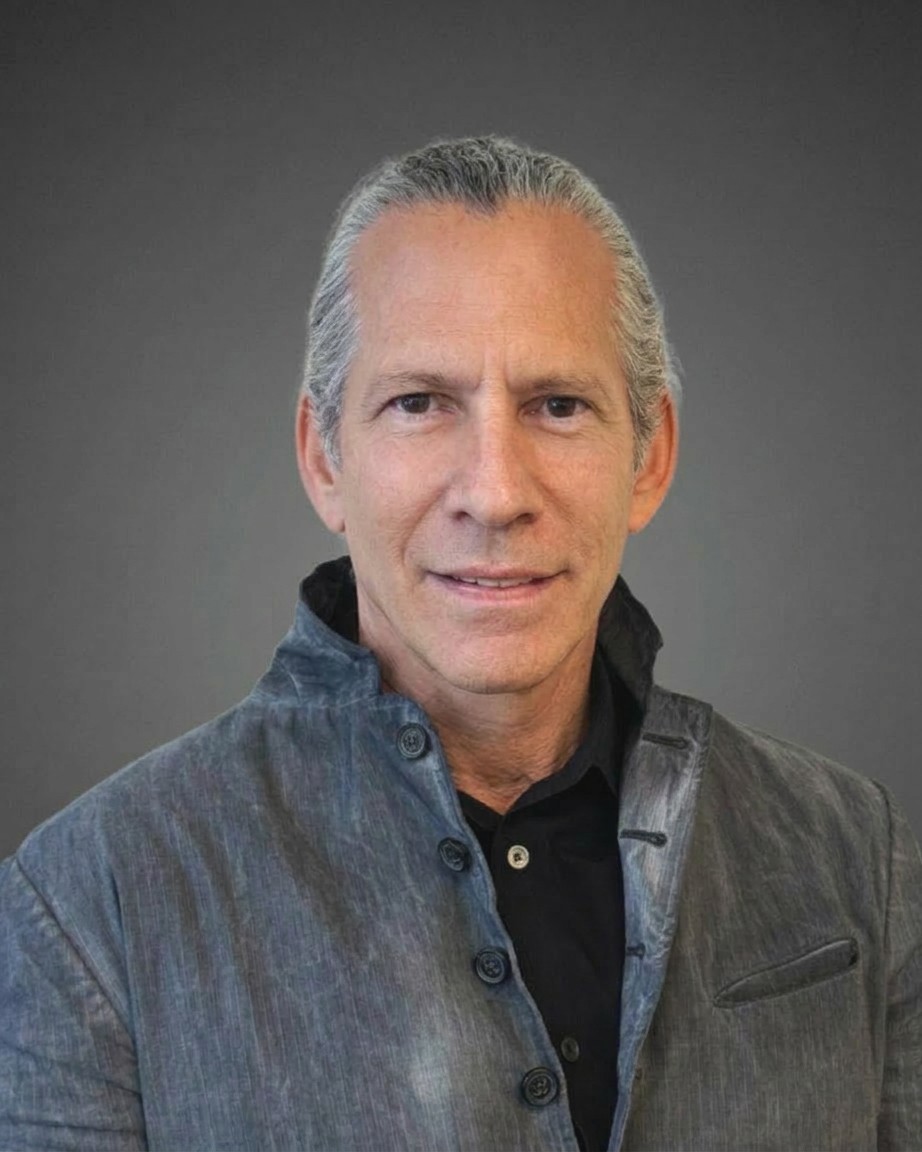
I know, February is the shortest month of the year, but it certainly felt like a whirlwind for AIA Virginia. From our first annual Hill Day in Richmond to our strategic planning retreat in Harrisonburg and finally the AIA Leadership Summit in D.C., the AIAVA staff and Board members were very busy last month.
Hill Day in Richmond was an invigorating and inspiring experience. We began the morning by listening to Andrew Moore, AIA and Jen Bailey, AIA describe the design and construction process for the General Assembly Building, including the challenges they faced along the way. If you haven’t toured the GAB yet, I highly recommend it. After a brief tour of a few spaces, we headed to the historic Capitol Building to observe a joint session of the Generally Assembly. We were honored with a shout-out from the floor by Delegate Beverly Carr, a long-time loyal friend to AIA Virginia whose sponsorship of the alternative path to licensure bill was instrumental. For more on this event, including the full text of Delegate Carr’s remarks, be sure to check out this post from the AIA Virginia February newsletter.
Just a few days later, the Board convened in Harrisonburg for our strategic planning retreat, facilitated by spill teem. Josh and his team did not disappoint. Their “Human-Centered Approach” (people first, process second) was engaging, fast-paced, and productive. Through a mix of thought-provoking presentations and collaborative group sessions, we debated, refined, and ultimately shaped a concise list of actionable priorities that will become the framework for our next strategic plan. Spill Teem team is now synthesizing our work and will be submitting a draft plan to the Board in April. I’m excited to see our many sticky notes evolve into a tangible and strategic action plan.
Finally, AIA component leaders from across the U.S. gathered in Washington February 13th and 14th for the annual Leadership Summit. In addition to keynotes and educational sessions, more than 500 AIA members spent a day on Capitol Hill meeting with Congressional staff to advocate for key issues that impact our profession:
retaining professional designation for architectural graduate degrees,
support of Design Freedom to ensure federal buildings reflect the local context and culture versus a single, mandated style and support of the People’s White House Historic Preservation Act,
and continued support of affordable housing legislation.
Every meeting I participated in felt productive. Staff are knowledgeable, attentive, and genuinely interested in understanding the challenges facing our profession. Hill Day was a renewed reminder of the power of a representative government and the role each of us can – and should – play in shaping it. Visit AIA.org for a brief on each of these issues and ways you can lend your voice.
As busy as February was for me and my fellow Board members, the experiences deepened my commitment to serving each of you and helping ensure that AIA Virginia continues to grow stronger, more valuable, and more resilient.
Sincerely, Bill Hopkins, AIA AIA Virginia President
The AIA Virginia Justice, Equity, Diversity, and Inclusion Committee (J.E.D.I.) is dedicated to promoting human-centered practices and encouraging others to follow suit. Across the Commonwealth, firms are making strides in diversity, fostering inclusion, and adopting policies that open doors to the architectural profession—through both incremental improvements and significant changes. We hope this article will inspire practical steps that help firms adapt to an evolving profession and build more equitable, accessible, and modern workplaces.
Work Program Architects (WPA), founded in Norfolk, Virginia, is one such firm. Their approach feels particularly relevant at a time when the profession is undergoing a significant transition and when many designers, especially those just entering the field, are reconsidering what a healthy, sustainable career means in 2026 and beyond.
The 2025 AIA Virginia Art of Practice: The Future of Work conversations emphasized how much the landscape is shifting. With the average architect now 51 years old and more practitioners over 60 than under 40, the profession is navigating an era defined by leadership turnover, evolving expectations, and a growing need to prepare new voices for roles of influence. Younger architects are increasingly seeking workplaces that reflect their values: firms that operate transparently, embrace inclusivity, support balance, and place people at the center of decision-making.
WPA offers a clear example of how these priorities can be translated into the structure of practice. The firm has cultivated an environment where access to information, opportunities for growth, and a sense of belonging are not dependent on tenure. Differences in background, communication style, and lived experience are treated as strengths. Responsibility is shared, and emerging professionals have meaningful opportunities to contribute to the firm’s culture.
To learn more, the J.E.D.I. Committee spoke with three WPA leaders—Co-founder Mel Price, FAIA, and Associate Principals Erin Agdinaoay, AIA of the Norfolk studio, and Sam Bowling, AIA of the firm’s newly opened Raleigh office. Their perspectives on culture, access, and the future of work frame the conversation that follows.
Values Inform Process: Practice of Participation
WPA, since its founding in 2010, has described community building—within the studio and throughout its projects—as the thread that ties the practice together. A collaborative design process to build social, economic, and environmental resilience informs their commitment to community, transparency, respect for people and place, which all guide decisions in the office and in the field.
When design teams reflect the communities they serve, the firm has found that clients engage more fully and trust grows naturally. That belief shapes hiring and team formation: the studio seeks a mix of perspectives, lived experiences, and communication styles to widen its cultural bandwidth rather than narrowing it to one mold.
Mel Price, FAIA, Co-Founder, oriented our conversation by stating:
“We feel diversity and our mission are inextricably linked. It’s important we serve an incredibly diverse population, and that means we have to work to include a diverse group of designers.”
Those values show up in the mechanics of daily work. Their practice is designed for belonging and shared ownership of the work; staff at all levels pitch and vote on projects so assignments align with strengths and experience, not just job titles.
As people are invited to participate in steering the work, ownership follows—and so does better design. WPA is candid about being a learning organization, but the direction is clear: inclusion takes root when systems give more people room to contribute and to lead. Soft skills typically sought at senior levels, such as communication, firm management, and leadership, are developed alongside early- to mid-career technical expertise.
Sam Bowling, AIA, Associate Principal, offered this advice:
“Never assume someone’s skill ceiling—give young designers the latitude to try things and succeed early.”
The firm’s outlook on culture is practical and specific. Likewise, teams are built to help clients and community partners feel at home in the process—never like outsiders trying to find their lane. That same mindset carries across the studio. All staff are encouraged to build real relationships with clients, because those connections make the work stronger and the process smoother.
Mel went on to explain the methodology behind fostering relationships:
“It’s not always pairing someone who makes sense on paper or looks like the group we’re speaking with. It’s pairing someone with people who make them feel at home or at ease; it looks different for everyone…we do better work when our clients and consultants are collaborating with people who they trust.”
WPA often refers to itself as a “curio cabinet of designers.” The phrase signals what the firm looks for: people who bring a new lens, skill, or way of seeing the world. The aim is to hire for a culture add—not a culture fit. Each person stretches the studio’s thinking and deepens its connection to the communities it serves. Valuing difference only matters if people have a voice in the work itself, and the studio’s structures are set up to make that voice matter.
Erin Agdinaoay AIA, Associate Principal, further tied this philosophy to the firm’s goal of resiliency:
“Our approach to diversity centers on building teams that reflect the variety of people we work with and serve. By ensuring diversity exists at every level—from our staff to our clients and the communities who use our spaces—we create more resilient projects. When many perspectives contribute to the design, the result is stronger and more inclusive because it draws from a broader range of experiences.”
The result is a practice where participation is expected, not exceptional. WPA doesn’t claim to have solved everything, but it holds to a simple test: if the studio’s structure expands opportunity—who speaks, who decides, who learns—then inclusion is moving from intention to reality.
Image: The WPA lounge, where all-studio meetings are held. The space is intentionally decentralized, “in the round”; designed to dissolve hierarchy and reinforce leadership as a shared, collective experience. The physical setup becomes a visual metaphor: no one is at the front, no one is at the head, and everyone’s voice carries equal weight.
Transparency: Equity by Design
Representation and voice mean little if opportunity remains gated by hierarchy. The architectural profession has long held that authority arrives with time served. Knowledge and decision-making rights accumulate at the top, leaving early- and mid-career designers on the periphery, often with the expectation that they will ‘learn on the job’ as senior leadership inevitably retires. In a field confronting burnout and a shrinking pipeline, that model constrains talent and slows innovation.
WPA approaches the problem through access. The firm treats transparency as a working system, not a talking point, shaping everything from weekly meetings to project pursuit and contract authority. After more than fifteen years in practice, and a period of steady growth, the team’s conclusion is straightforward: context helps people do better work and make better choices. Early exposure to how a firm actually runs, in a psychologically safe environment, prepares emerging professionals to contribute at a higher level.
“WPA has maintained 100% financial transparency since its inception,” says Price. “That means sharing all financial data—including salaries—with the entire team.”
Openness extends beyond the ledger. WPA designs systems to explain the “why” behind decisions and to revisit policies when the rationale no longer holds. Over time, the firm has redefined full time employment eligible for benefits to 30 hours per week, rethought performance-based compensation, and annually rotated leadership and committee roles to broaden experience and perspective. These processes help foster leadership at all levels of the firm.
“Our performance evaluation and compensation are fully separate; raises and bonuses are determined by committees that rotate annually through all experience levels and disciplines. Because how are you going to develop the skills to assess compensation if you don’t practice?”
Access also reframes mentorship. Mentorship with intent means setting public, individualized development goals and placing newer staff in roles that would typically be reserved for senior practitioners. Younger architects manage projects under the guidance of experienced leaders, participate in fee development, choose consultants, and contribute to firm wide strategic planning. The learning is shared, and so is the accountability.
“Those younger and more senior have the opportunity to switch roles,” explains Price. “A younger staff member might manage a project, while senior staff take the passenger seat—learning, mentoring, and supporting along the way.”
A long runway for leadership where ‘Everyone is expected to be a role model to their peers, both more senior and less senior than them’ follows naturally from this stance. From day one, designers are invited to critique the firm, pitch ideas, and help shape culture.
Bowling puts it plainly:
“We want people to experience the full breadth of the profession so they can make decisions about their future—even if that future happens away from WPA.”
WPA’s leadership earnestly believes that this approach develops future leaders by giving people the information, coaching, and trust they need to grow into responsibility earlier and with purpose.
The broader profession is moving in this direction. Emerging professionals want workplaces that align with their values, where equity, transparency, and flexibility aren’t privileges reserved for those with tenure, but part of how work happens. Firms that recognize this shift are better positioned to attract and keep talent.
The challenge ahead is simple to state and demanding to execute: share authority, dismantle silos, and embed agency into the DNA of practice. If architecture aims to create spaces that foster inclusion and agency, the workplace should carry the same standard.
“It is everyone’s job to make the company better. Often, that begins with a sense of ownership and belonging.”
Images: The WPA studio breakout zones are intentionally unstructured, human‑centered environments designed to make collaboration feel natural rather than forced. The physical layout, the atmosphere, and the proximity of different teams all work together to create a place where people can drift in, connect, and create without the pressure of formality or hierarchy.
Human Centric Practice: What we do well for ourselves, we will do well for others
WPA’s model of equity is inseparable from its approach to well being. The firm’s premise is direct: work should work for more people. That starts by acknowledging that architects are whole humans—more than job titles or billable hours—they are creatives whose energy, momentum, capacity, and responsibilities change across a week and across a career.
Flexibility is built into the culture. There are no fixed remote days or rigid schedules; teams decide when and where they work best. For working parents, neurodiverse colleagues, and anyone navigating shifting personal demands, that flexibility keeps careers viable and momentum steady.
The physical studio reflects those priorities. WPA designs its own environment as carefully as it designs for clients: quiet rooms, nap rooms, sit to stand desks, bike storage and showers, and a range of collaborative and private settings that let people match space to task. Wellness support is part of the fabric, with visiting health professionals, including a dietician, helping staff build sustainable habits.
“Expectations matter as much as amenities,” says Price. WPA questions the assumption that long hours equal dedication. Teams normalize conversations about capacity, stress, and balance. Price sets the tone by keeping her calendar open to the studio—client meetings alongside exercise, family time, and personal commitments—so that healthy boundaries are visible and legitimate.
“The message is introduced early, even in interviews: leave the culture of exhaustion at the door and invest in sleep, nutrition, movement, and stress management,” Agdinaoay elaborates “Start with trust, get people’s human needs taken care of, and really prioritize everyone being a healthy person first so that they can show up and be a great professional achieving what they’ve what they’ve set out to do.”
Care is made concrete; the staff receives a monthly health bonus and incentives to walk or bike to work, take breaks, or even schedule additional time off after deadlines. Partners have access to executive coaching. When someone is carrying a heavy load, the response is active: the chief of staff checks in and creates space for recovery.
Inclusion here is not another expectation layered onto already full plates; rather, WPA sees it as the removal of obstacles that prevent people from bringing their full selves to work.
As they have continued to grow, the firm recognized the role their size played in their reputation as a nimble-by-nature practice. As they scale, they are finding that timing is just as critical as intent to maintain trust:
“Being able to quickly pivot and change something when you hear feedback, is one of the most essential ingredients to success. If it takes you a year to make a new policy after many rounds of surveys and peer groups, you lose people.”
By aligning policies, places, and practices, WPA is showing how a humane studio can also be a high performing one.
Two examples evident in their studio are the presence of pets in the workplace and the dynamic dress policy. Whether it’s the furry friends in the office or the variety of individuals at work, WPA has an interesting approach to what it means to “show up professionally.”
Price explained the ‘why’ behind this decision:
“Our handbook isn’t about policing appearance—it’s about how you show up for others. In a creative industry, self-expression is welcome—rainbow hair included—as long as you’re polished, know your audience, and show up in a way that builds trust and strong relationships.”
WPA and its members believe the value of their firm comes from a desire to hold sacred what is at the core of their practice, specifically their mission and core principles, and to challenge the periphery.
In our conversation with the team, they stated that:
“We feel like if we’re doing it right, you should feel it change every three to four months. The company is like a living, breathing organism – as people grow and change, so does the firm.”
Taken together, these efforts describe a practice designed for people and projects. From who is hired to how work is chosen to how well-being is supported, WPA ties values to systems so that belonging shows up in the day to day.
The firm doesn’t claim a perfect model, but it offers a clear direction: measure success by the quality of the work and by the number of people who can thrive while doing it.
Image: The 2026 WPA team is pictured in the ground-floor studio of the Assembly Building, a shared-workspace conceived and refined by its own inhabitants. Purposeful, shaped by lived experience, and collectively inspired, the environment reflects a culture where design and community are inseparable
Change at the firm level is cumulative. Each policy, pilot, and conversation takes time to design, test, and refine—and it asks for steady commitment from leadership and staff alike.
Yet the payoff is real. As the demand for our profession grows, a disproportionately small number of architects rise in the ranks, and the fundamental nature of our work evolves, every effort to engage people and places on a human level creates clearer pathways for growth, a stronger sense of belonging, and teams that are more resilient when conditions shift.
These are stretch goals by design; they ask us to reach beyond habit.
This kind of radical practice is uncommon, but as the J.E.D.I. Committee continues to surface practical examples from peers across the Commonwealth, we encourage you to look for opportunities to contribute within your firms. Our hope is that firms see both the effort and the reward: a practice organized around people, adaptable, and better prepared to serve the communities we design for.
Our Career-Stage, Firm-Size, and Non-Traditional Roundtables all met virtually over the past few weeks.
We’ll be meeting again on Zoom on August 19th and 26th and then get together in person at ArchEx, November 4-6, 2026, in Richmond. Watch your inbox to join in these important conversations with your peers. And feel free to reach out to any of the chairs with questions and to become involved.
Small Firm Roundtable Chair: Maggie Schubert, AIA
notes coming!
Mid-Size Firm Roundtable Chair: Andrew McKinley, AIA
Discussion about titles, roles, and staying billable
Juggling project size and scale is a challenge with resources. You have the team you have; sometimes you have the skill well covered, but other times you aren’t large enough to have everything you need.
We sometimes see skill degradation when shifting between project typologies and size. Trying to keep the $20M dollar project skills sharp, along with the smaller $ work.
Challenging to manage residential work along with production between commercial.
One firm no longer does residential but now shares these projects with ‘another’ firm. Multi-fam and townhouses are within the ‘commercial’ sphere.
Mutli-disciplinary – Interiors team members awesome. VIA and SMBW – no single-fam residential work, but some multi-fam. Will often partner with some larger firms – interiors folks supporting larger architecture firm.
What do you hope to get from this conversation?
Transition plans – BD has one, it’s going… how is it going for rothers
Do we engage in any formal project manager training?
PM training
Project management training/seminar? PSMJ is an example training – great 2-3 day thing, in Las Vegas, didn’t internalize as an initial learning experience. Need to balance timing of a training with exposure of real-world situations
~5-6 year mark is when folks can typically start to handle responsibility. They are capable of making decisions but don’t necessarily have confidence.
Andrew shared his story of buying out VIA – 8 years in total, two phases of buy-out
Will’s experience was more expedited – buy-out happening this year
Be realistic about the value of the firm.
Sweat equity doesn’t necessarily equate to value.
Make sure systems are in place
Sole proprietor is a little different than partners that will bridge the transition. Need to be willing to step back and let folks attempt, just don’t run the ship aground.
Accounting, Bookkeeping, and Resource Management
Having a software helps get invoices out the door quickly. Make it as frictionless as possible. AR easily within 30 days.
Factor (vector?), Ajera, others?
Some are doing bookkeeping in house. Outsourced accounting does not always think out of the box. CPA’s are not necessarily creative. A creative tax strategist can be very valuable.
VIA – OAS outsourced accounting. Shifted CPA and outsourced accounting.
Large Firm Roundtable Chair: Lori Garrett, FAIA
Four of us met virtually to discuss the challenges and opportunities for large firms. Though all of us worked at firms with more than 50 employees, there was a diversity of perspectives represented:
Three firms had multiple offices; one had only one office.
Two firms were more national in scope with both architects and engineers on staff and had over 500 hundreds of employees; the other two firms represented focused primarily on architecture in Virginia and neighboring states and had under 75 employees.
The discussion focused on the following questions.
Firm Culture
1. As some firms experience sudden change in size through being acquired, how do you deal with the resulting cultural differences?
2. How can you drive firm-wide culture without stepping on the toes of the smaller, local units?
3. What does effective mentorship look like for large firms? We discussed the use of specialized software which can support a mentorship program, generate meeting agendas, etc.
Attracting Talent
1. Employees want to grow and advance in their careers, so it is important to be transparent about opportunities for advancement. Most of our firms have established criteria that are discussed with staff.
2. One potential selling point to prospective hires (as well as clients) is that with a large firm, you can always scale down for a more personalized experience, but a small firm can never scale up to offer the breadth of resources and experience of a large firm. (Universities do this when they advertise for example “the energy of a large, renowned public university with the personalized, community-oriented feel of a smaller college”.)
Future Discussion
We will meet bi-monthly for a virtual call to discuss topics of interest and best practices. We have tentatively set the following meeting dates and topics:
Non-Traditional Roundtable Chair: Bill Conkey, AIA
Job Descriptions
Strategy consultant
Create as-built documents
What strengths do you bring when working with non-architects
Work in an iterative process turning criticism of proposals into a positive evolution of the proposal
Problem solving skills
Ability to apply design thinking to a variety of challenges
Architects are not business forward in terms of approach to potential problems
Architects have the ability to hyper focus on issues of a variety of scales at one time
Architects who leave the profession often end up in the work of IT because it requires similar problem solving skills
What can the AIA do better to engage with those in non-traditional architecture careers?
AIA surveys currently assume that respondents are working within a traditional firm. These surveys should be modified to include members from a variety of different career paths
The AIA could reach out to non-architects in adjacent fields to broaden its reach and educate the public on the various ways in which architects engage with the community.
AIA programming should include business related topics such as HR and other similar issues faced by architects in addition to the more technical and theoretical subjects currently included.
Emerging Professional Roundtable Chair: Carrie Parker, AIA
Purpose of Discussion
The session focused on identifying factors contributing to work–life imbalance among emerging professionals and exploring what currently helps—or could help—improve balance across the profession.
Key Themes: What Is Out of Balance?
Workload Volatility and Deadlines Participants noted inconsistent workloads that lead to unpredictable and uneven deadlines. This volatility contributes to stress and makes long‑term planning difficult. There was a perception that this may be discipline‑specific and vary from person to person.
Client Expectations and Industry Practices There is a perceived misunderstanding on the client side regarding the amount of work required to prepare architectural proposals, particularly for RFP responses. Additionally, firms that consistently agree to compressed schedules risk setting unsustainable precedents that clients come to expect and share with others.
Personal, Cultural, and Professional Pressures Participants highlighted the challenge of balancing professional demands with personal and cultural responsibilities. One example discussed was the added strain of meeting intense deadlines while observing Ramadan. Additional pressures included studying for ARE exams and meeting family and community expectations. Cycles of burnout followed by recovery were acknowledged as a recurring experience.
What Would Help?
Access to Professional Development Opportunities Hard‑hat tours organized with local chapters or within firms with active construction were identified as a valuable opportunity, particularly because construction administration / execution (CE) hours are among the hardest requirements to fulfill for AXP.
Flexibility in Work Schedules Participants suggested that the traditional 9‑to‑5 schedule across the industry should be reconsidered. Greater flexibility was identified as a potential lever to support better work–life balance.
What’s Currently Working?
Alternative Scheduling Models Core, flex, and summer hours were cited as effective existing practices that help individuals better manage their time and energy while meeting work responsibilities.
Key Takeaways
Work–life imbalance is driven by a combination of workload inconsistency, client expectations, and firm‑level practices.
Emerging professionals face layered pressures, including licensure, cultural obligations, and family responsibilities.
Flexible scheduling and accessible professional development opportunities show promise as practical supports.
There is an opportunity for the industry to reassess norms around deadlines and standard work hours to promote sustainability.
Mid-Career Professional Roundtable Chair: Shawn Mulligan, AIA
What Feels Out of Balance?
Participants identified several overlapping sources of imbalance, many rooted in the inherent demands of practice and compounded by shifting expectations post-pandemic.
Career Transitions & Boundary-Setting
The pandemic disrupted established rhythms, leaving many mid-career professionals without clear on/off transitions between work and personal life.
Managing presence — being fully at work during work, and fully at home during home time — emerged as a core aspiration, not yet a reality for most.
Late-night emails were cited as a persistent challenge; the practical suggestion of using delayed send was well-received as a low-friction solution.
Personal Pace & Family Time
“I need my days to be slower — to sit at home, be with my kids.”— Rebecca Pantschyschak
The desire for intentional slowdown resonated broadly — not laziness, but deliberate recovery and presence.
Time Management & Expectations
Calendar discipline as a foundation: treating the calendar as a commitment tool, not just a scheduling tool.
Clear communication with teams and clients around availability is essential, and frequently underdeveloped.
Client Communication Pressures
“Letting clients know we work late at night reflects poor firm management — it hurts the firm’s image.”— Suticha Mungkornkarn
There is a collective tension around client-facing communication norms — especially the implicit expectation of after-hours availability.
Project timelines are tighter; the margin for error has narrowed.
Clients in the field may not distinguish between accessible and always-on.
The X-Factor identified: client communication and expectation-setting — both in how firms present themselves and how they train clients on appropriate boundaries.
What Would Help?
Participants identified a shared need for clearer frameworks — both personal and organizational — for establishing and communicating boundaries.
Establishing firm-wide or team-level norms around communication windows.
Building client expectations into proposals and project timelines from the outset, rather than managing them reactively.
Training and coaching for mid-career professionals on how to communicate availability boundaries without appearing unprofessional or uncommitted.
Normalizing slower productivity as a profession-wide value — redefining accomplishment to include sustainability.
Key Insight: Client expectations should be set proactively — in proposals, project kick-offs, and team scheduling conversations — not negotiated in the moment.
What’s Working
Several strategies emerged as effective anchors for maintaining balance:
Office Hours Boundaries — Clearly communicating availability windows (e.g., Monday–Friday, 9 AM–5 PM) sets expectations without requiring ongoing negotiation.
Calendar as Commitment Tool — Treating calendar blocks as protected time, not suggestions, reinforces intentional time management.
Delayed Send — A simple, tactical tool that prevents the signaling of after-hours availability without sacrificing workflow.
Team Scheduling in Proposals — Incorporating staff availability into project timelines at the proposal stage aligns workload with realistic capacity.
Recommended Resources
The following resources were shared by participants during the discussion:
Slow Productivity: The Lost Art of Accomplishment Without Burnout. Cal Newport — A framework for sustainable, meaningful output without the culture of constant busyness.
A World Without Email: Reimagining Work in an Age of Communication Overload. Cal Newport — Strategies for restructuring communication workflows to reduce reactive overload and protect deep work time.
Late-Career Professional Roundtable Chair: Mitch Rowland, AIA
Transfers into AIA Virginia Kaluachchi Jayatilake, AIA (Northern Virginia) from AIA International Aaron Margolis, AIA (Northern Virginia) from AIA Washington DC Mark Ramirez, AIA (Northern Virginia) from AIA Washington DC
Upgraded to Emeritus Robert Waite Jr., AIA Member Emeritus (Central Virginia) Richard Houchins, AIA Member Emeritus (Blue Ridge) Paul Erickson, FAIA Member Emeritus (Northern Virginia) Alan Hansen, FAIA Member Emeritus (Northern Virginia) Mark Forth, AIA Member Emeritus (Coastal Virginia) Fleur Duggan, AIA Member Emeritus (Northern Virginia)
New/Renewed Allied Members James Davlantes, Regional Sales Manager, EPIC Metals Roland McPherson, Structural Engineer, McPherson Design PLLC
It has been an exciting month. We had our first kick off meeting on Jan. 22nd and I feel like we are on a roll. We had 16 SFx members join our call, representing 14 firms across the commonwealth. We are hoping to grow our network and include you in our next commonwealth wide meeting. All meetings are virtual and we hope to see you there. Microsoft Teams meeting credentials at the bottom.
At our first meeting SFx VA formed a small working group tasked with putting together the foundational pieces to launch this new group. The working group has begun to interview SFx chapters in other states and cities to learn from their experience. We are asking about their organizational structure, programs and resources they offer to their member small firms, how they fund their initiatives, how they communicate with each other, and other questions related to managing a pear group of small firms. We had our kickoff interview with SFx DC this past Monday and gathered some great information, tips, and best practices. We are looking to book at least two more interviews and report back to SFx VA at our March meeting.
We highly encourage small firms throughout the commonwealth to sign up for the upcoming “Firm Size Roundtables” on February 25, 2026. Register here
Our next SFx VA meeting will be on February 19, 2026, at 12:30 PM. Please use the following links and credentials for access:
We understand the dedication and effort required to study for and pass the ARE. Congratulations to the following members for passing their exams and gaining licensure. This is great news that thrills all of us and we are so proud to call you architects!
John Peck, AIA (Northern Virginia) Tanner Kachurka, AIA (Richmond)
Have you recently passed the ARE? Change your membership to Architect at me.aia.org
Are you ready to get licensed? AIA Virginia has discounted 60-day Amber Book subscriptions. Read more about it here>>
Support our Associate members on their path to licensure with your support of the discounted Amber Book subscription. Donate to the AIA Virginia Foundation
Have questions about licensure? Contact AIA Virginia’s State Licensing Advisor, Gina Robinson, AIA, at gina.robinson@hdrinc.com
We are always excited to welcome new members to Virginia. The following members recently joined the ranks of AIA Virginia.
New Architect Members Eric Craig, AIA (Northern Virginia) Bob Czekner, AIA (Central Virginia) Leanna Humphrey, AIA (Coastal Virginia) Charles Reid, AIA (Northern Virginia) James Spencer, AIA (Northern Virginia)
Transfers into AIA Virginia Aron Beninghove, Assoc. AIA (Northern Virginia) from AIA Washington DC William Blizzard, AIA Member Emeritus (Northern Virginia) from AIA Florida Robert Deane, AIA (Central Virginia) from AIA Washington Matthew Horn, AIA (Northern Virginia) from AIA Washington DC Kyle Kuhn, AIA (Northern Virginia) from AIA Maryland Bethan Llewellyn-Yen, AIA (Northern Virginia) from AIA Washington DC Holly McNeilly, Assoc. AIA (Coastal Virginia) from AIA Maryland George Miller, FAIA (Coastal Virginia) from AIA New York State Algar Schreyer, AIA (Blue Ridge) from AIA Maryland
Upgraded to Emeritus William Jones, AIA Member Emeritus (Northern Virginia) Wayne Buhl, AIA Member Emeritus (Coastal Virginia) David Johannas, AIA Member Emeritus (Richmond) Wylie Cooke, Jr., AIA Member Emeritus (Coastal Virginia) Jorge Pardo, AIA Member Emeritus (Northern Virginia)
Less than 3% of the architecture profession achieves AIA Fellowship
The American Institute of Architects (AIA) is elevating two AIA members from AIA Virginia to its prestigious College of Fellows, AIA’s highest membership honor, for their exceptional work and contributions to architecture and society.
The fellowship program was developed to elevate those architects who have achieved a standard of excellence in the profession and made a significant contribution to architecture and society on a national level. Architects who have been elevated to fellowship can be identified by the designation FAIA after their name.
Here are the newly elevated members from AIA Virginia:
Dennis M. Findley, FAIA, Studio Findley Design, PLLC (Northern Virginia)
Robert B. Winstead, FAIA, VMDO Architects, P.C. (Central Virginia)
SAVE THE DATE! These new Virginia Fellows will be celebrated at the upcoming Fellows Fête, Saturday, May 2nd, at the Inn at Virginia Tech in Blacksburg, Virginia.
Edwin John Slipek, Jr., Hon. AIAVA, passed away December 15, 2025, at the age of 75, following a brief illness.
Through his writing and editorial leadership, with the Richmond Mercury, Style Weekly, and Richmond BizSense, Ed brought clarity, intelligence, and critical insight to discussions about the built environment, helping to explain why architecture matters and how it shapes culture, cities, and everyday life.
Ed’s journalism was marked by curiosity, rigor, respect for the discipline of architecture, and – on occasion – some pointed critique. He played a significant role in elevating architectural discourse in Richmond amongst both professional and public audiences, giving voice to important ideas and projects while holding the profession to thoughtful account. AIA Virginia conferred Honorary Membership on Ed in recognition of his enduring service to architecture through communication. His contributions were also celebrated by the Historic Richmond Foundation, the Branch Museum of Architecture and Design, and the International Council of Fine Arts Deans.
He will be remembered for his integrity, generosity, and unwavering belief that well-communicated ideas broaden the understanding and appreciation of architecture.
It is an honor and a pleasure to have been named as the Small Firm Exchange’s representative at the National level. We are just getting started and we are looking forward to growing the SFx over the next year. This is a new role for me, and I will be looking to the small firm community for your assistance as we grow this resource. I would like to thank Dan Zimmerman for his tireless effort as the prior SFx Rep. He has been a great wealth of knowledge, and I will continue to seek his guidance.
The first National SFx meeting of the year will be on Thursday, January 15th, and we will follow up with a Commonwealth-wide meeting the following Thursday, January 22nd, at 12:30 PM. We will continue to hold Commonwealth-wide meetings one week after each National meeting and will start by using their agenda to inform our own meetings. For the time being, we will host SFx VA meetings on Microsoft Teams until we can implement a more official communication tool with the assistance of AIA Virginia. Below are the meeting credentials; feel free to distribute this to any other small firms that may be interested. Please feel free to reach out to me directly if you have any questions, comments, or ideas.